
Reviewed · TEMPLE & DRAGON CAVE TOURS FROM KHAO LAK
Takua Pa: Food Market, Tsunami Museum, Temple, & Old Town
Takuapa packs a lot into four hours. I like this tour because it pairs a Ban Nam Khem Tsunami Museum visit with time to wander Takuapa’s old town food market. It’s efficient, small-group friendly, and easy to fit between beach days.
My second favorite piece is the cultural stop at Kong Ka Temple, known for its striking pagoda and thoughtful Buddha artwork. You can also offer merit and try a traditional Thai-style “life prophecy” moment at the shrine.
One consideration: market food costs extra, and you’ll need to plan for temple rules like covered knees/shoulders and shoe removal.
In This Review
- Key highlights that make this tour worth your time
- A $52 tour that earns its value in four hours
- How the day actually runs (and why it feels smooth)
- Ban Nam Khem Tsunami Museum: learning without rushing
- Kong Ka Temple’s pagoda and merit offering moment
- Takuapa old town: Sino-European streets with 13th-century roots
- The food market stop: hundreds of choices, guide-powered tasting
- Morning vs afternoon: what changes, what stays the same
- What to wear and bring so the day stays stress-free
- Group size and guides: why names keep showing up
- Who this tour suits best (and who might want something else)
- Should you book Takua Pa: Food Market, Tsunami Museum, Temple & Old Town?
- FAQ
- How long is the Takua Pa tour?
- Is hotel pickup and drop-off included?
- What’s included in the price?
- Do I pay for food at the market?
- What changes in the morning option (May to November)?
- What should I bring and what should I avoid wearing?
Key highlights that make this tour worth your time
- Brand new tsunami-focused museum that explains what happened before and after the 2004 disaster
- Kong Ka Temple’s pagoda built to honor the late King Rama IX
- Sino-European old-town streets with buildings dating back to the 13th century
- A street-food market with hundreds of stalls and local performances
- Small group (up to 12) plus an English-speaking guide for real context
- Cooler drinks in an air-con vehicle, which matters in Thailand heat
A $52 tour that earns its value in four hours
At $52 per person for a four-hour day, you’re paying for more than transportation. You’re also buying guide time, English interpretation, entrance fees, and included water/soft drinks, which adds up fast when you do similar stops on your own.
This schedule is tight on purpose. You see the big “meaning” stop first (the tsunami museum), then a major spiritual site (Kong Ka Temple), then the place where local life shows up in full color (Takuapa’s old town and street food). If you want a sampler that still feels grounded, this format works.
The best value shows up if you’re doing this from Khao Lak. Hotel pickup and drop-off mean you don’t have to solve logistics for a museum, a temple, and an older town far from the beach strip. Past groups also got a lot of praise for the smoothness of the transport and the helpful driver, which makes the day feel calmer from the start.
More temple mornings and the Dragon Cave

How the day actually runs (and why it feels smooth)
You get picked up from your hotel area in Khao Lak by an air-conditioned vehicle, then you ride with an English-speaking guide. The tour is designed for a small group limited to 12, so you’re not stuck in a chaotic mob trying to hear explanations.
The flow matters:
1) Tsunami museum first
2) Kong Ka Temple next
3) Old town and market at the end
That order helps. The museum sets the emotional and historical context, so when you later see the region’s recovery and community life, it lands with more weight. Then the day finishes with food and wandering, which is a nice mental reset.
You can also choose morning or afternoon. For the morning option between May and November, the market stop shifts to the Takuapa Morning Market instead of the weekly Street Food Market. Everything else stays the same, so you’re not losing the core experience.
Ban Nam Khem Tsunami Museum: learning without rushing
The museum visit is the heart of the tour. You start there, and you’ll learn about the area both before and after the 2004 tsunami. Expect exhibition rooms and a main building layout that focuses on local history and recovery.
This isn’t just facts on walls. The way the exhibits and gallery are presented is meant to help you understand what the disaster changed for real families and communities. It’s often described as touching, and it makes sense: you’re not watching disaster from far away. You’re being shown how the place lived, what was lost, and how people rebuilt.
Practical tip: go in ready to slow down. If you rush yourself through the museum, you’ll miss the emotional connection that makes it matter. Also keep your camera handy, but don’t force photos if staff or space rules suggest otherwise.
Kong Ka Temple’s pagoda and merit offering moment
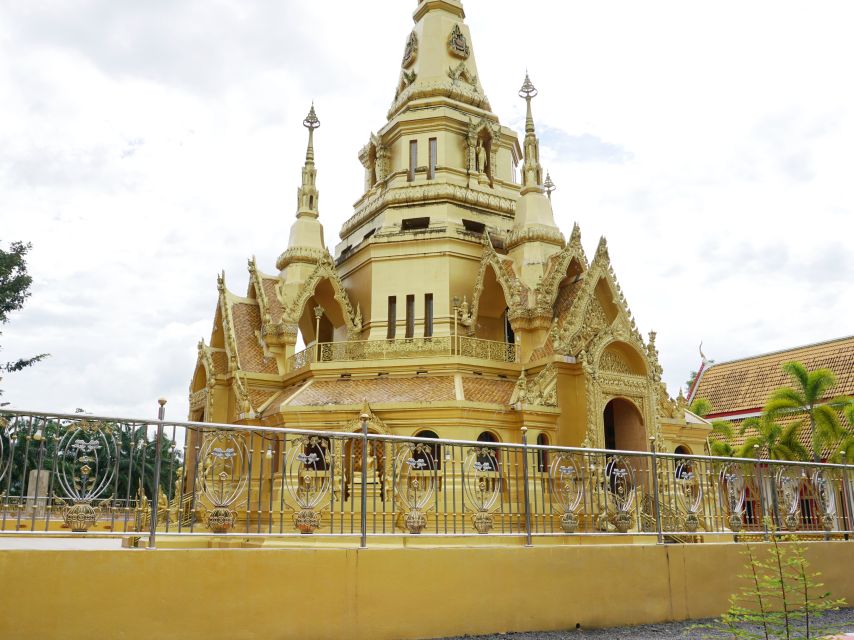
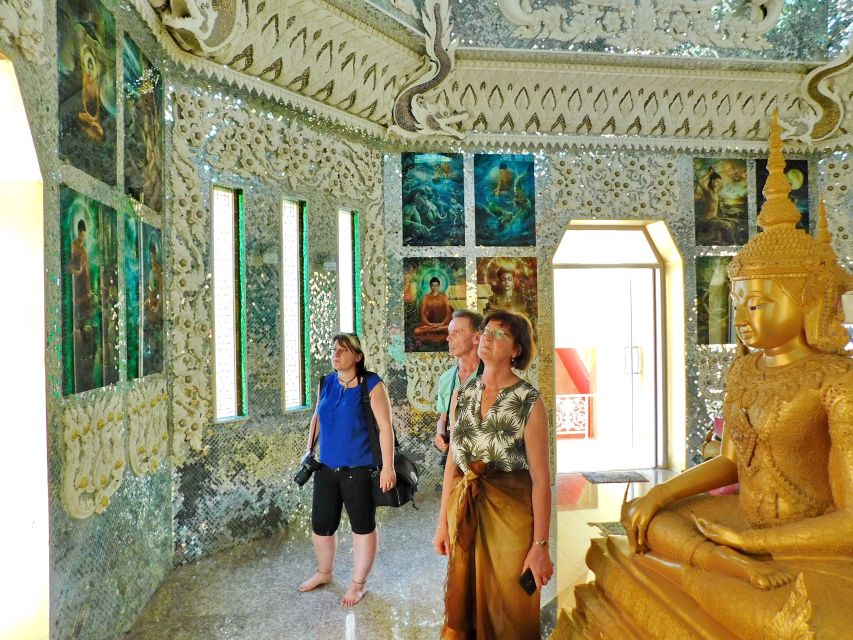
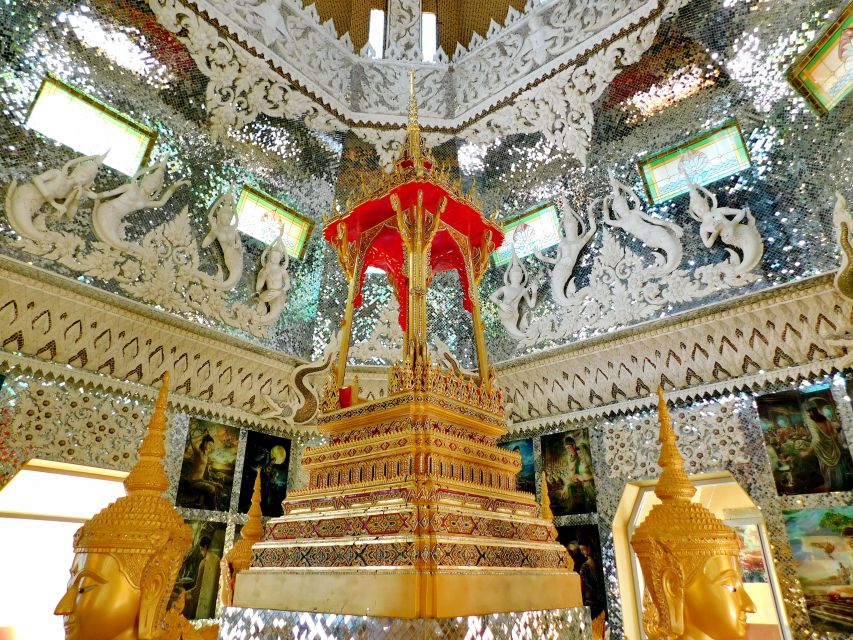
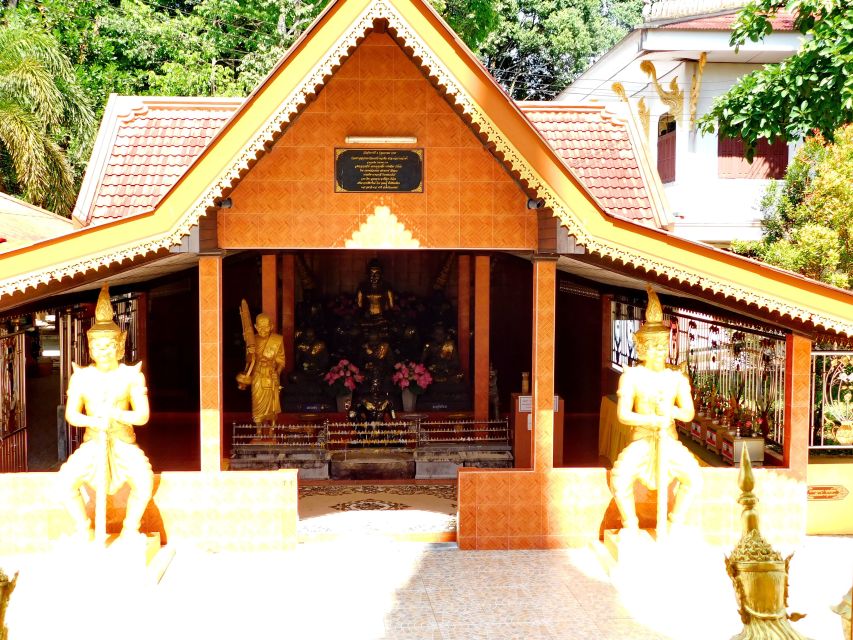
After the museum, the tone shifts from heavy history to sacred art and living tradition. Kong Ka Temple is known for its unique pagoda design, and it’s decorated and built to honor the late King Rama IX.
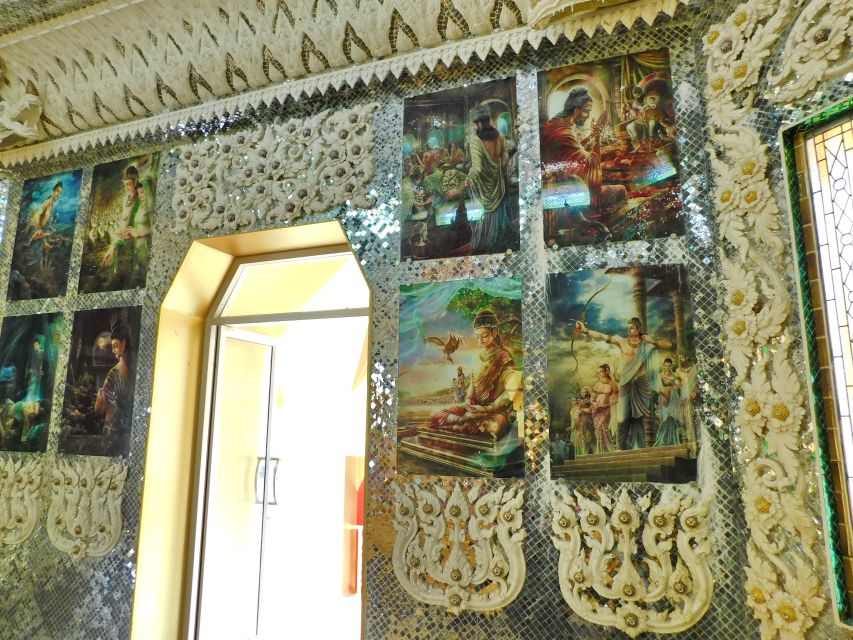
Inside the temple space, you’ll also see images of the life of Buddha presented in more modern-style art depictions. I like this mix because it makes the religious message feel connected to the present, not just frozen in old stone.
There’s also an experience component here beyond sightseeing. You have the chance to provide merit at the shrine. In addition, the guide may take you through a traditional Thai “life prophecy” moment, which is a fun way to see how people engage with faith in daily life.
Cultural sensitivity note: temple rules apply. You’ll want covered knees and shoulders, and you must remove shoes (plus hats and sunglasses) when you enter places of worship.
Takuapa old town: Sino-European streets with 13th-century roots
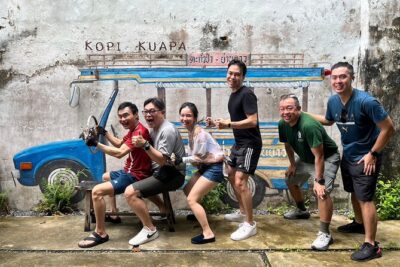
This is where the tour becomes visually fun. The historic part of Takuapa is known for Sino-European architecture, with buildings dating back to the 13th century. Even without knowing every architectural term, you’ll likely notice the feel of older streets—different materials, distinctive facades, and a sense that the town has been shaped by long layers of trade and community life.
I like that the guide helps you read the town rather than just pointing at buildings. When you understand what you’re looking at, old town wandering becomes more than a photo stop.
You’ll spend real time exploring, not just a quick photo lap. That matters because you want to notice details like street layout, shopfront style, and how the community moves through the area.
More of the old shophouses at Takua Pa
The food market stop: hundreds of choices, guide-powered tasting
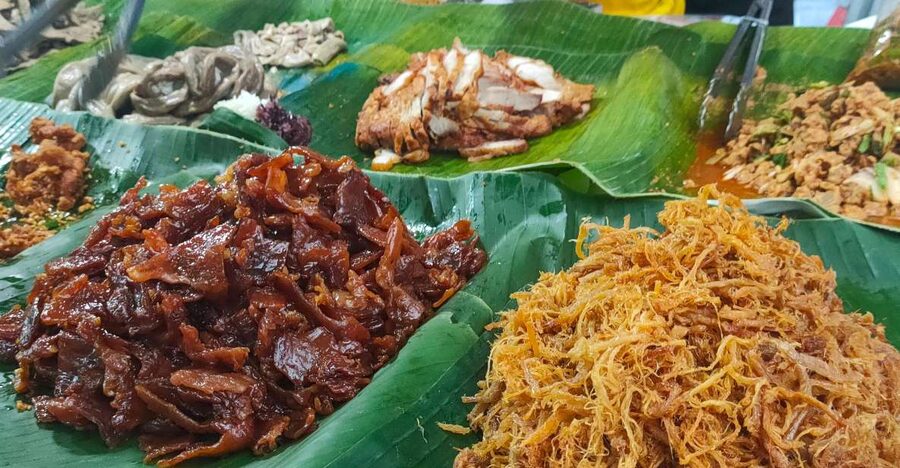
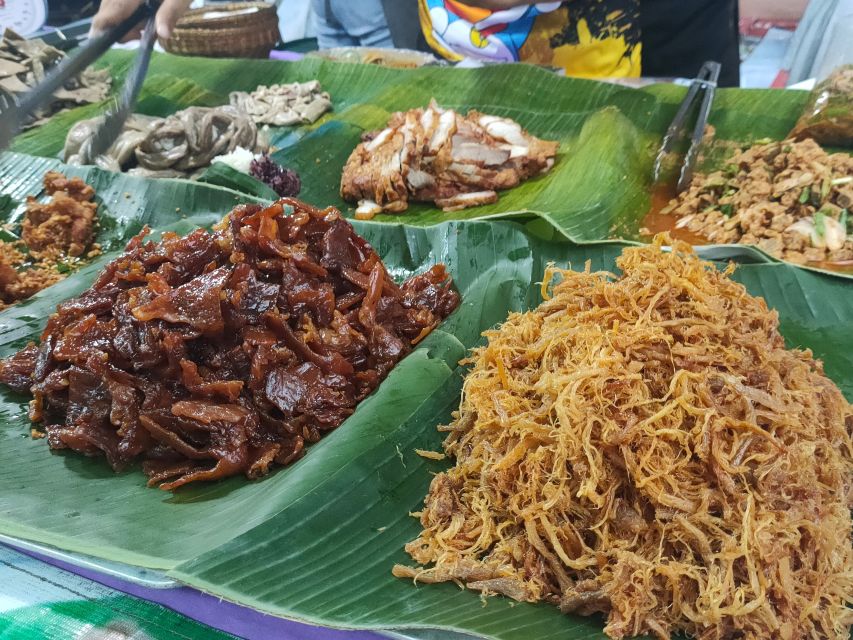
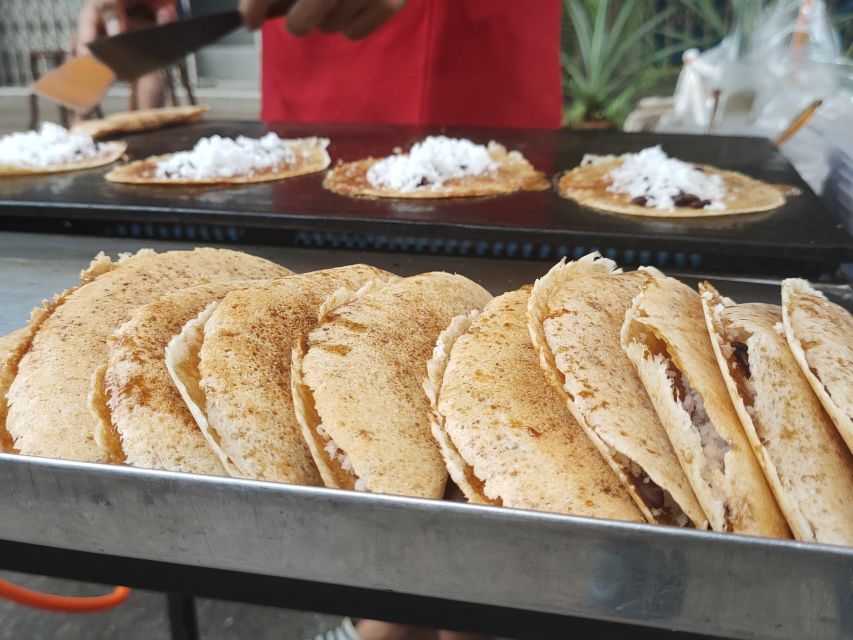
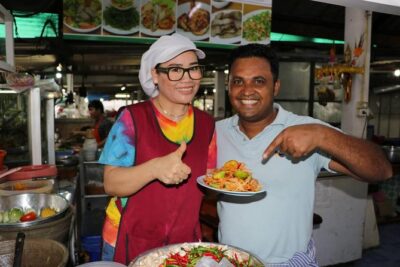
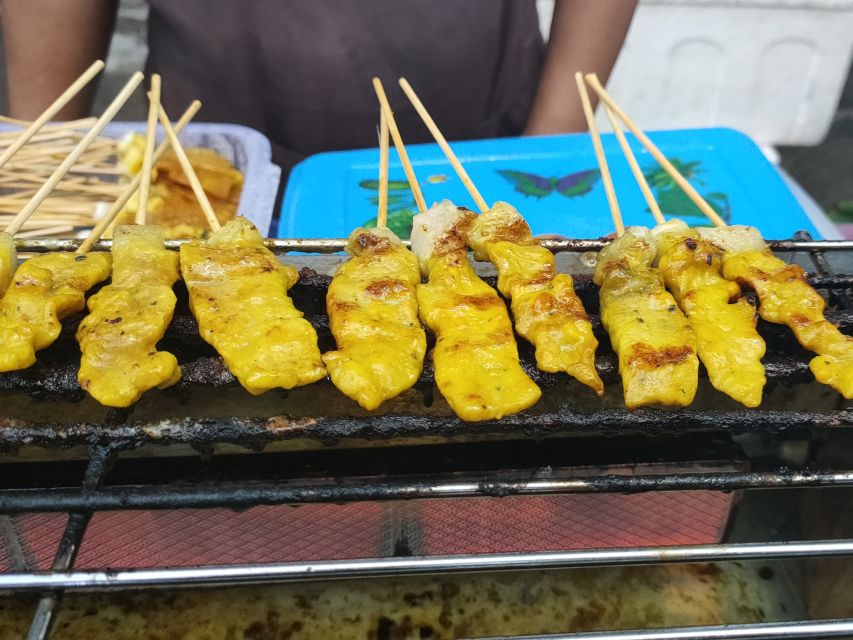
The market is the payoff if you love local flavors. This tour’s old town market stop is described as a street-food style setup with hundreds of stalls selling local delicacies. The idea is simple: you get a guided orientation, then you get to choose what you want to taste.
Food costs are not included, so you’ll want to plan a little budget for snacks. The included part is the guide, the time in the market area, and the cultural context that helps you order confidently instead of guessing at everything.
A big reason this works well for most people is that the guide doesn’t treat the market like a free-for-all. Several experiences note that guides recommended specific foods and helped guests pace their tasting. You’ll also likely get a sense of what’s popular and what’s worth trying first.
One more bonus: there can be local performances in the market area, which helps the whole place feel like an active community event rather than a simple tourist food hall.
Practical tip: eat small bites at multiple stalls. Don’t try to solve lunch with one massive order. That’s how you sample more and avoid food fatigue.
Morning vs afternoon: what changes, what stays the same
If you’re choosing the morning option between May and November, the market stop becomes the Takuapa Morning Market. If you’re visiting outside that window, you’ll go to the weekly street food market instead.
The rest remains consistent: tsunami museum, Kong Ka Temple, and the historic old town experience. So your decision comes down to what kind of market atmosphere you prefer.
In hot season, morning options can also feel more comfortable. If you’re sensitive to heat, consider a schedule that starts earlier and lets you return to Khao Lak while the day is still manageable.
What to wear and bring so the day stays stress-free
This tour is short enough that comfort matters. I’d plan your outfit around temple rules and easy walking.
Bring:
- Comfortable shoes
- Sunscreen
- Insect repellent
- A camera
Dress rules to follow:
- No short skirts or sleeveless shirts
- No shorts
- When you’re in temples: remove shoes, and also remove hats and sunglasses
If you show up in something that doesn’t meet the rules, your day can slow down. It’s not dramatic, but it’s annoying in a four-hour schedule.
Also, keep your daypack light. You’ll be doing museum time, temple time, then market time, which means you don’t want heavy bags you’ll constantly set down.
Group size and guides: why names keep showing up
The tour is limited to 12 participants, and that’s a real quality factor. It gives the guide room to answer questions and adjust pacing if someone needs a slower moment after the museum or while navigating temple spaces.
The guide experience also shows up in the style of the day. Past groups reported exceptional English guidance from people including Arisa and Gay, plus other names like Oil, Ching, and Robert. Common threads in those experiences: friendly energy, clear explanations, and help choosing what to eat at the market.
Even better, many groups praised the driver in the same breath as the guide, describing the duo as helpful and cheerful. That matters because you’re in a vehicle for part of the day, and a smooth ride makes the whole schedule feel easier.
Who this tour suits best (and who might want something else)
This tour fits you if:
- You want history with meaning, not just a quick stop
- You like a temple visit that includes practical cultural moments like merit offering
- You want old town architecture plus an energetic street food market
- You prefer a small group and an English-speaking guide
- You’re staying in Khao Lak and want an easy, time-saving day plan
You might want a different option if:
- You dislike emotional museum experiences. The tsunami museum is part of the core design of the day.
- You don’t want any extra spending for food. Market tastings are your responsibility.
- You’re very strict about temple etiquette rules. This tour requires covered clothing and shoe removal.
Should you book Takua Pa: Food Market, Tsunami Museum, Temple & Old Town?
I’d book it if you want a compact day that mixes three things most trips struggle to combine: local life (market), meaningful context (tsunami museum), and spiritual culture (Kong Ka Temple). The price-to-time ratio is strong because entrance fees, hotel pickup, and transport are folded into the day.
Before you decide, do two quick checks:
- Decide your market budget in advance, since food isn’t included.
- Pack for respect and comfort: covered clothing, shoes you don’t mind taking on and off, plus sunscreen and repellent.
If those check out, this is the kind of tour that leaves you with more than photos. You get a clear sense of how the area remembers, how people practice faith, and how the town eats day to day.
FAQ
How long is the Takua Pa tour?
The tour lasts about 4 hours.
Is hotel pickup and drop-off included?
Yes. Pickup and drop-off are included, and you should wait in the hotel lobby about 10 minutes before your pickup time.
What’s included in the price?
Entrance fees, hotel pickup/drop-off, and water and soft drinks are included.
Do I pay for food at the market?
Yes. Food expense at the market is not included, so you’ll want to bring money for tastings.
What changes in the morning option (May to November)?
For the morning option between May and November, the tour goes to the Takuapa Morning Market instead of the weekly Street Food Market. The other stops remain the same.
What should I bring and what should I avoid wearing?
Bring comfortable shoes, sunscreen, insect repellent, and a camera. Avoid short skirts, sleeveless shirts, and shorts. In temples, you must remove shoes, hats, and sunglasses.
More Tour Reviews in Khao Lak

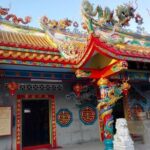
Old Takua Pa and Its Shophouses

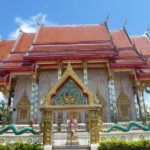
Temples and the Dragon Cave
Just Added: The Latest Khao Lak Reviews
- Phuket: Zip Line & ATV Adventure with Hotel Transfer Option
★ 5.0 · 3 reviews - Khaolak Safari: Elephant Sanctuary and Cheow Lan Lake Bliss
★ 4.3 · 3 reviews - Khao Lak: The Amazing 3 Temples Phang Nga Tour
★ 3.3 · 3 reviews - Surin Islands 2 Days 1 Night Trip from Khao Lak
★ 4.5 · 3 reviews - Similan Islands One Day Tour From Khao Lak
★ 3.5 · 3 reviews
Temple & Dragon Cave Tours from Khao Lak, compared.
 ★ 4.8Full-Day Temple Tour Including Dragon Cave from Khao LakFrom $77696 reviews
 ★ 5.0Amazing 3 TemplesFrom $104113 reviews
 ★ 4.0ATV, ZipLine, & Rafting Adventure Monkey Cave TempleFrom $9399 reviews
 ★ 4.9A Spiritual Journey to its Most Exquisite TempleFrom $9471 reviews
 ★ 5.0Temples Tour in Thailand from KhaolakFrom $7735 reviews
★ 4.5Full-Day Temple Tour Including Dragon Cave from Khao LakFrom $7715 reviews
★ 5.0Temples Tour in Thailand from KhaolakFrom $7735 reviews
★ 4.5Full-Day Temple Tour Including Dragon Cave from Khao LakFrom $7715 reviews
 ★ 4.5Local Temples and Traditional MarketFrom $1005 reviews
 ★ 4.3White Water Rafting ,Monkey Cave, Elephant BathingFrom $964 reviews
Browse the lists this tour appears in