
Reviewed · TAKUA PA OLD TOWN & CULTURAL TOURS
Historical And Cultural Day Tour To Takuapa Old Town From Khao Lak
Takuapa feels like a time capsule. This 6-hour trip from Khao Lak mixes Sino-Portuguese old-town streets with a surprisingly moving tsunami memorial stop, and I like that the pacing is relaxed enough to actually look at details. I also appreciate that the tour can be small (up to 10), so you can ask questions and move at a human speed. One thing to consider: it runs in good weather, and rain can make walking less fun.
This is a cultural day built around why Takuapa looks the way it does. Long ago, tin mining brought wealth to the area, and that history shows up in the architecture and the mix of Chinese and Portuguese influences. If you’re the type who likes markets, shrines, and stories that stick with you, this tour is a solid match—but if you need a fully active, long-hike day, the stops are more about culture and reflection than big outdoor sightseeing.
In This Review
- Quick, Useful Highlights
- Why Takuapa Old Town Works When You’re Based in Khao Lak
- Getting There: A 6-Hour Day Trip That Doesn’t Burn Your Time
- Guan Yin Shrines and Quick Cultural Stops That Set the Tone
- Takua Pa Walking Street: Market Time With Local Rhythm
- Taosor Cake Stop: A Small Food Moment That Locates the Culture
- Ancient Wall and Governor’s Residence Area: Where Architecture Becomes Story
- The International Tsunami Museum: A Visit That Holds Your Attention
- Who This Tour Suits Best (And Who Might Want Something Different)
- Guides Can Make or Break the Day: What to Watch For
- What You’ll Experience at a Glance (Stop by Stop)
- Price and Value: Is $70.83 a Good Deal?
- Timing, Weather, and What to Bring
- Should You Book This Takuapa Old Town Tour from Khao Lak?
- FAQ
- FAQ
- How long is the Takuapa Old Town tour from Khao Lak?
- What time does the tour start?
- Is pickup included?
- What’s the group size limit?
- Are admission tickets included?
- Is taosor cake included?
- Is the tour good for kids?
- Who shouldn’t join?
- What happens if weather is poor?
- What’s included on the day?
Quick, Useful Highlights
- Sino-Portuguese streets in an old tin-mining town: You’ll walk preserved architecture that explains how this place got its style.
- Small-group energy (max 10): Reviews mention it can even run with just a couple, which makes the guide feel personal.
- Taosor cake tasting stop: A quick food moment that connects you to local food traditions in Takua Pa.
- Tsunami museum with real personal weight: You’ll spend time at the International Tsunami Museum and learn what happened in 2004.
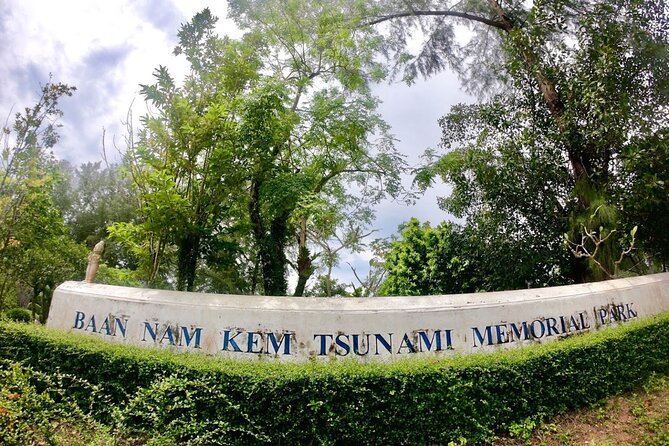
- A calm remembrance pause: The tsunami memorial park is designed for quiet reflection, not sightseeing sprinting.
Why Takuapa Old Town Works When You’re Based in Khao Lak
Khao Lak is great for beach time, but it’s not always the best place for history on your doorstep. That’s where Takuapa comes in. This old town sits about 32 km north of Khao Lak, and the whole point of the day is to show you why Takuapa looks the way it does, not just to tick off a few photo spots.
What I like most is the balance of visual culture and emotional context. You get the architecture first—those Sino-Portuguese streets, preserved buildings, and old-town walls that make the past feel physical. Then you shift gears to the International Tsunami Museum and memorial area. That contrast is important. It turns the visit from scenery into a story with stakes.
The tour starts at 9:00 am, and the day is built around short, readable segments (shrines, walking market time, architecture viewing, museum time). So even though it’s only around 6 hours, it doesn’t feel like one long blur. You’ll have moments to stop, look, and understand.
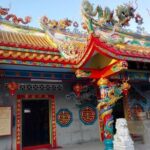
More of the old shophouses at Takua Pa


Getting There: A 6-Hour Day Trip That Doesn’t Burn Your Time
This is a day tour with pickup offered, which matters if you’re trying to keep your schedule simple. You’re not signing up for a DIY day of navigating unfamiliar roads and timing your own stops. You’ll spend your energy on the town itself, not on logistics.
With a 6-hour duration, you’re dealing with a realistic slice of time: long enough to actually see old streets and visit a museum, short enough that you still have your evening back at Khao Lak. That makes it an easy add-on if you’re balancing relaxation and culture.
The small-group cap (maximum 10) is also a practical detail. In a larger group, you can end up herded along. With a smaller group, you’re more likely to get a chance to ask a question, slow down for a view, or spend an extra minute in a doorway detail you notice.
Guan Yin Shrines and Quick Cultural Stops That Set the Tone
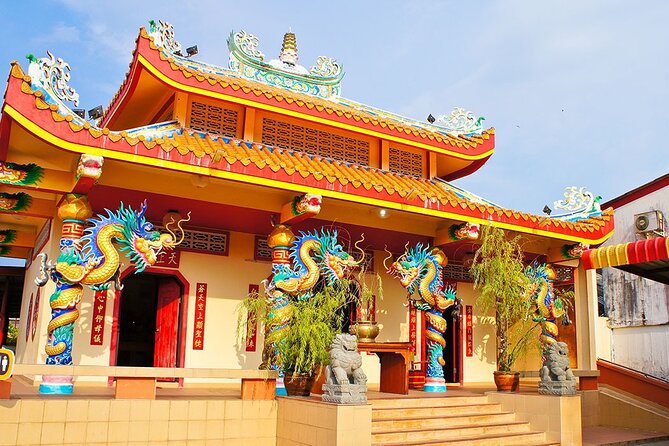
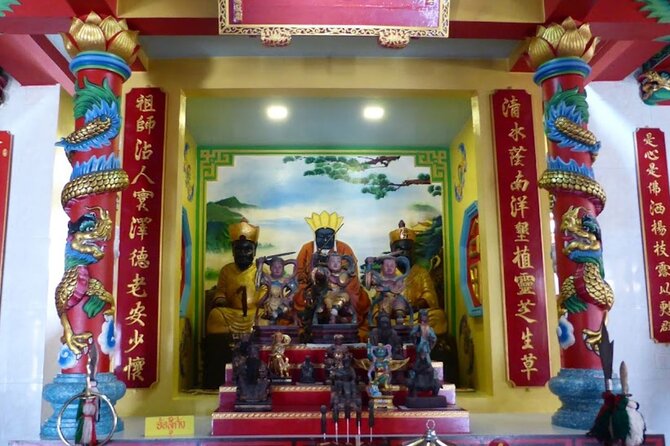
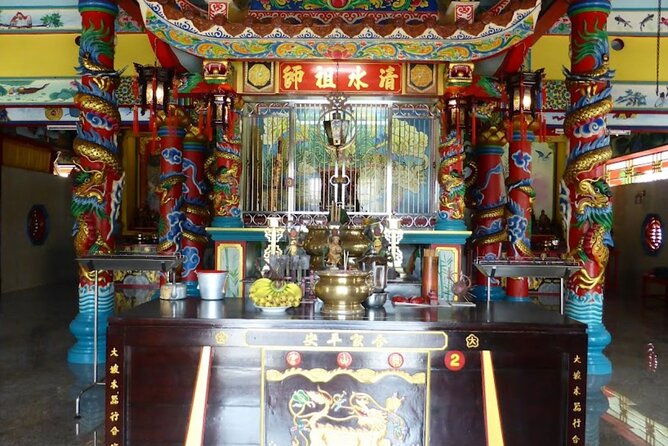
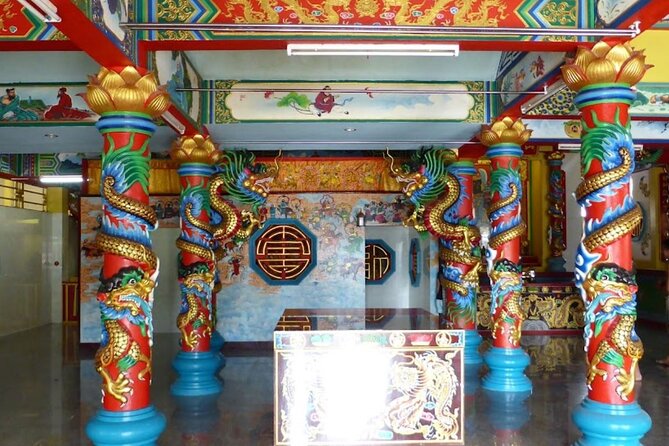
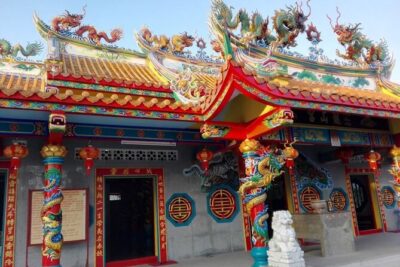
You begin with a Chinese shrine visit, including the Guan Yin Shrine stop. It’s not a random checkbox. Starting with religious and cultural sites helps you read the town later. You’ll notice how Chinese influence shows up across everyday life—especially in places where the community’s old prosperity and migration patterns left a visible mark.
Then there’s another short shrine visit at the Le Méridien Khao Lak Resort & Spa area. Even though it’s brief (about 30 minutes), it’s one of those moments that frames the day: this isn’t just European-style architecture pasted onto a tropical town. It’s a place shaped by multiple cultural threads.
If you care about context, this kind of opening works well. You’re primed to look for patterns later when you’re staring at old facades and walking street edges.
Takua Pa Walking Street: Market Time With Local Rhythm
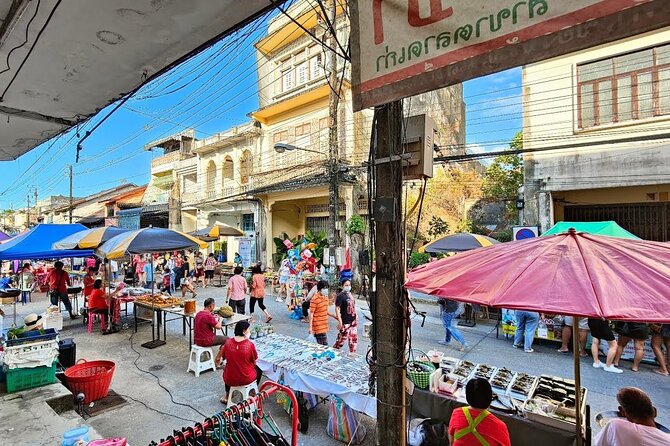
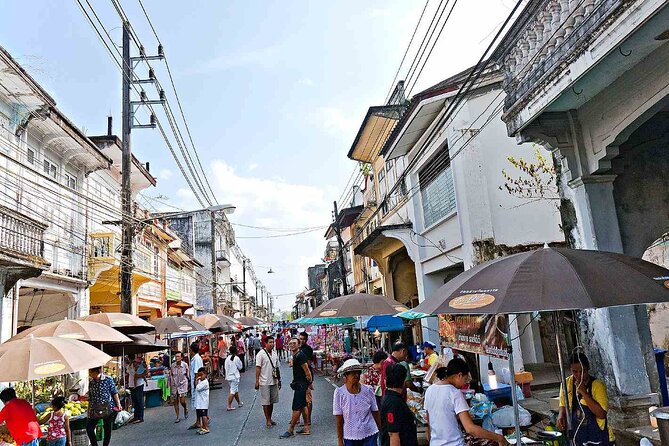
Next you’ll head into Takua Pa Walking Street for about an hour of browsing the local market. This is your chance to see the town beyond monuments. Markets tell you what people actually buy, eat, and use—especially in a smaller town where everyday life is easier to observe up close.
I like this stop because it’s flexible. In that one hour, you can move slowly, point at things, and snack if you want. It’s also a good way to reset your attention before the architecture section. After shrines, the market feels like a shift into real-life culture.
A practical note: walking street time is exactly where you might want comfortable shoes. The tour isn’t advertised as a long trek, but old towns still have uneven sidewalks and tighter lanes than big tourist centers.
Taosor Cake Stop: A Small Food Moment That Locates the Culture
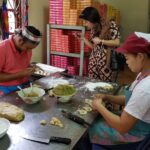
One of the more fun practical stops is the dessert stop for taosor cake (listed as ร้านขนมเต้าส้อตวงรัตน์ ตะกั่วป่า). You’ll spend about 30 minutes at this dessert place, and the tour frames the snack in context: it’s similar to a Chinese mooncake, but smaller.
I like food stops on cultural tours when they do one key job: they tie flavor to place. That’s what this does. You don’t just eat something sweet; you connect it to the town’s Chinese influence and the broader cultural mix.
Even if you’re not a big sweets person, this is a low-pressure stop. It’s short, and it adds personality to the day. If you do try it, consider it part snack, part lesson.


Ancient Wall and Governor’s Residence Area: Where Architecture Becomes Story
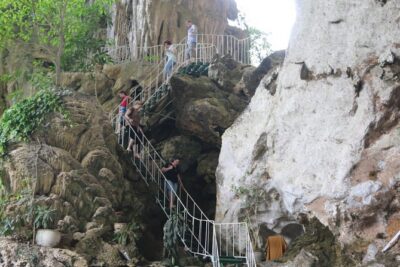
Then you move to the preserved ancient wall connected with the governor’s residence area. This is where the Sino-Portuguese architecture becomes the main event. You’ll spend about an hour walking and seeing how the old town’s life was shaped around these preserved structures.
This stop is the “show me” part of the tour. Instead of just hearing about the town’s past, you can literally look at the building styles and imagine what daily life was like when tin wealth fueled the community.
The fact that the architecture is preserved matters. It’s easy to tour places where everything looks modern or restored to the point of being generic. Here, the preserved wall and the surrounding architectural examples give you a more believable sense of continuity.
If you’re the type who enjoys noticing window shapes, facade details, and how streets funnel movement, you’ll probably enjoy this hour a lot.
The International Tsunami Museum: A Visit That Holds Your Attention
The final major stop is the International Tsunami Museum, where you’ll spend about 2 hours. This museum is dedicated to preserving the story of the 2004 Boxing Day Tsunami that devastated the area, with emphasis on remembrance and passing the story to future generations.
This is the emotional center of the day. And based on guide experiences shared during tours, it can hit even harder when your guide can speak personally. Some guides on this route have been tsunami survivors, and that kind of firsthand context can make the museum feel less like a distant news event and more like a living memory.
One practical consideration: this is not a lighthearted photo stop. Go in with a calm mindset. If you want to ask questions, do it with patience. The material can be heavy, and the best visits respect that tone.
If you’re sensitive to intense topics, you’ll still likely find it worthwhile, but plan for a quieter return to your hotel afterward.
Who This Tour Suits Best (And Who Might Want Something Different)
I’d steer you toward this tour if you:
- want a culture day from Khao Lak that’s short enough to still feel like vacation
- enjoy old-town walking, markets, and small food moments
- like tours where the guide can explain context clearly (some guides like Moo, Mark, Sayan, and Maek have stood out for their friendliness and ability to answer questions)
I’d think twice if you:
- want mostly outdoor time and big scenery
- dislike emotional museum content
- have health concerns mentioned by the operator. The tour is not recommended for guests who are pregnant or have high blood pressure, heart disease, or bone diseases.
It’s also worth knowing that the tour is capped at 10 people. If you’re traveling with someone and want a more personal day, this small-group structure helps.
Guides Can Make or Break the Day: What to Watch For
One of the strongest themes from people who’ve done this tour is that guides can be excellent—friendly, careful, and strong on local and tsunami context. In particular, some experiences mention guides like Moo and Mark as helpful and informative, while Sayan brought a personal tsunami survivor perspective that made the museum section especially powerful.
Still, I’ll give you a practical tip: if tsunami history is a big part of why you booked, ask your guide questions during the museum and shrines. If answers feel thin, it’s okay to ask again. You’re paying for more than transport—you’re paying for interpretation.
Also note that in rare cases, the day can feel more like an accompany-and-go style. If you want a strong guided narrative, keep an eye on how your guide is actually engaging you, not just pointing you toward spots.
What You’ll Experience at a Glance (Stop by Stop)
Here’s the day as you’ll feel it:
1) Guan Yin Shrine (Chinese shrine)
You start with a short cultural stop and build context quickly.
2) Le Méridien Khao Lak Resort & Spa Chinese Shrine area
Another brief shrine visit that reinforces the day’s cultural theme.
3) Takua Pa Walking Street market browsing (~1 hour)
You get local street rhythm—good for small purchases and people-watching.
4) Taosor cake dessert stop (~30 minutes)
A focused food stop with a simple cultural explanation: smaller mooncake-style sweetness.
5) Ancient wall/gov. residence area with preserved architecture (~1 hour)
The Sino-Portuguese and town-history story becomes visible in stone, walls, and street layout.
6) International Tsunami Museum (~2 hours)
You spend the longest time here because the content needs time to land. It’s reflection-heavy, not rushed.
The order matters. You move from cultural roots to daily life to architecture to the deep memorial center.
Price and Value: Is $70.83 a Good Deal?
At $70.83 per person (for a roughly 6-hour day), this tour sits in the midrange for the kind of cultural-and-museum combo you’re getting. The value is in three places:
- Multiple included admissions: shrine visits, market time stops, and the museum section all come with admission included.
- Small-group capacity: maximum 10 travelers means you’re less likely to be stuck in a big bus rhythm.
- Time with real emotional context: the museum stop is long enough to matter (about 2 hours).
The only reason it wouldn’t feel like a great value is if you end up with a guide who doesn’t explain well. Since guide quality seems to vary by person (based on past experiences), you should choose this trip for the content, not just the driving. If you want the best outcome, ask questions and engage.
Timing, Weather, and What to Bring
This tour requires good weather. That’s not just fine print; walking street sections and outdoor-looking architecture mean you’ll feel rain and heat more than you would in a fully indoor tour.
For what to pack, keep it simple:
- comfortable walking shoes
- light rain protection if there’s a chance of showers
- water for the market and walking parts
- a respectful mindset for the tsunami museum area
You’ll probably appreciate taking small breaks when your guide offers them. The tour is structured to stop and look, not to push nonstop.
Should You Book This Takuapa Old Town Tour from Khao Lak?
Yes, you should book it if you want a compact day that mixes old-town architecture, local food, and a museum visit with real weight. The Sino-Portuguese and Chinese influence story makes the town feel specific, and the International Tsunami Museum section gives the day purpose beyond sightseeing.
I’d hold off or choose another option if you strongly prefer light, purely upbeat activities, or if health conditions make long walking and museum time a bad fit. Also consider the weather requirement; if your travel dates are rainy, be ready for the operator to adjust.
If you’re flexible, curious, and okay with reflection, this is a meaningful way to see more than beach life while you’re based in Khao Lak.
FAQ
FAQ
How long is the Takuapa Old Town tour from Khao Lak?
The tour lasts about 6 hours.
What time does the tour start?
The start time is 9:00 am.
Is pickup included?
Pickup is offered.
What’s the group size limit?
The tour has a maximum of 10 travelers.
Are admission tickets included?
Admission tickets are included for the stops listed on the tour.
Is taosor cake included?
You’ll stop at a taosor cake shop as part of the tour for about 30 minutes, but the specific amount you receive isn’t stated.
Is the tour good for kids?
There is a child ticket for ages 4–10 years.
Who shouldn’t join?
The tour is not recommended for guests who are pregnant or have high blood pressure, heart disease, or bone diseases.
What happens if weather is poor?
The experience requires good weather, and if it’s canceled due to poor weather, you’ll be offered a different date or a full refund.
What’s included on the day?
You visit the Guan Yin Shrine, a Chinese shrine at Le Méridien Khao Lak Resort & Spa, Takua Pa Walking Street market browsing, a taosor cake shop, the ancient wall of the governor’s residence area, and the International Tsunami Museum.
More Khao Lak Trips



More Tour Reviews in Khao Lak

Old Takua Pa and Its Shophouses

Just Added: The Latest Khao Lak Reviews
- Phuket: Zip Line & ATV Adventure with Hotel Transfer Option
★ 5.0 · 3 reviews - Khaolak Safari: Elephant Sanctuary and Cheow Lan Lake Bliss
★ 4.3 · 3 reviews - Khao Lak: The Amazing 3 Temples Phang Nga Tour
★ 3.3 · 3 reviews - Surin Islands 2 Days 1 Night Trip from Khao Lak
★ 4.5 · 3 reviews - Similan Islands One Day Tour From Khao Lak
★ 3.5 · 3 reviews
Takua Pa Old Town & Cultural Tours, compared.
 ★ 4.9Food Market, Tsunami Museum, Temple, & Old TownFrom $52165 reviews
 ★ 5.0Local food tasting at Hidden Takua Pa By Amazon prime Series ChefFrom $8035 reviews
 ★ 4.5Takuapa Cultural History Half-Day Tour From Khao LakFrom $5512 reviews
 ★ 5.0Khao Lak Old Town Cycling AdventureFrom $878 reviews
 ★ 3.5Half Day Canoe Boat Trip At Takuapa Little AmazonFrom $776 reviews
 ★ 5.0The Lost Zone & Takuapa Old Town – Private Guided TourFrom $2005 reviews
 ★ 5.0Guided Tour to Takua Pa and Elephant Sanctuary in Khao LakFrom $1224 reviews
Browse the lists this tour appears in