
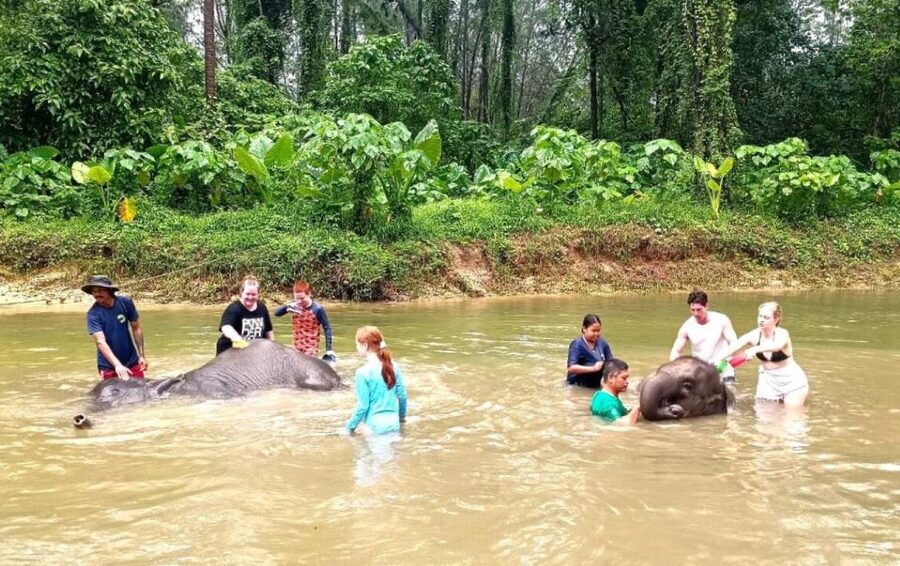
Reviewed · KHAO LAK ELEPHANT SANCTUARY TOURS
Ethical Elephant Sanctuary Experience in Khao Lak
Elephants, but no show pressure. This Khao Lak stop is built around observation-first care with mahouts, plus Thai cultural activities that go well beyond a quick photo.
I like the clear welfare rules: no riding, no touching, and no forced interactions. I also like the extra culture time, including making a Thai herbal elephant supplement and creating your own Ya Dom herbal inhaler.
One heads-up: if you’re hoping for a hands-on bathing session with you in control, this program is structured around elephant-led behavior and respectful distance, with bathing treated as something you watch from set areas.
In This Review
- Key things to know before you go
- Arriving at Khao Lak Elephant Conservation Without the Commotion
- The Intro That Changes How You Watch Elephants
- The Herbal Elephant Supplement Activity: Caring Knowledge, Not Just Souvenirs
- Ya Dom Herbal Inhaler Making: A Thai Wellness Souvenir You’ll Actually Use
- Meeting the Elephants as Individuals, Through Mahout Eyes
- The Observation Walk: Follow Along, Don’t Direct
- Creek and Mud Bath Watching: Elephant-Led, Not You-Driven
- Khanom Krok Cooking Time: Thailand Street-Food Culture, Done Gently
- Price and Value: What $56 Buys in Real Life
- Practical Tips: What to Bring and How to Make It Comfortable
- Who Should Book This Elephant Sanctuary Experience
- Should You Book the Khao Lak Ethical Elephant Sanctuary Experience?
- FAQ
- How long is the elephant sanctuary experience in Khao Lak?
- What does the tour cost?
- Is elephant riding or touching allowed?
- Will I eat a full meal on this tour?
- What cultural activities are included besides the elephants?
- What language is the tour offered in?
- Is it suitable for everyone?
Key things to know before you go
- Mahout-led observation, not a show with elephants moving naturally at their own pace
- Elephant-led mud bathing from a designated viewing spot near a natural creek
- Hands-on Thai culture workshops, including Ya Dom inhaler making
- Elephant care education through an audio-visual introduction (available in 40 languages)
- Well-paced 3-hour format with transport, refreshments, and snack time included
Arriving at Khao Lak Elephant Conservation Without the Commotion
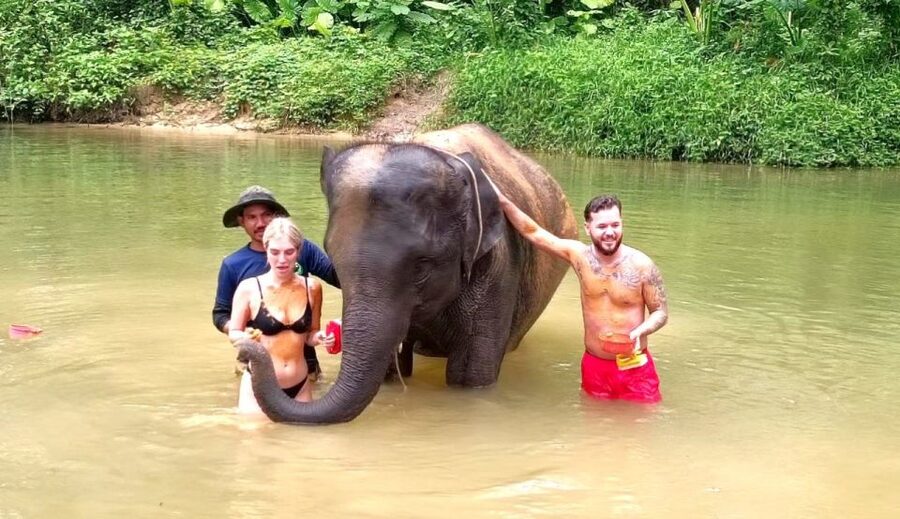
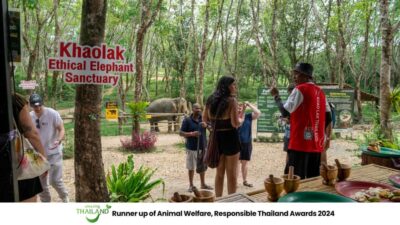
Your tour starts with hotel pickup in Khao Lak, then a short ride in an air-conditioned van. The point is simple: get you out of the busy “see-it-fast” tourist rhythm and into a calmer, sanctuary-style day.
Once you arrive, you’ll get welcome refreshments (and you’ll often find coffee and tea offered as part of the arrival area routine). From there, the schedule feels more like a guided visit plus workshops than a constant march from one photo stop to the next.
This is also one reason the 3-hour duration works. You get enough time to learn, watch, and participate in Thai culture activities, without turning elephants into a rushed checklist.
More mornings with the rescued elephants


The Intro That Changes How You Watch Elephants
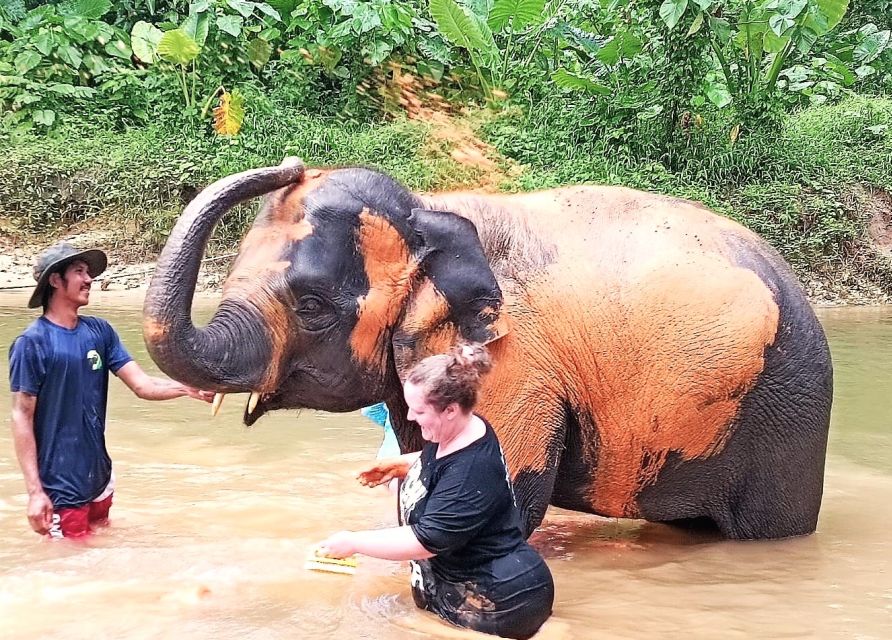
Before you ever step into the sanctuary grounds, you’ll get a visual and audio introduction about domestic elephants in Thailand. It covers the cultural role of elephants, the modern welfare challenges, and the sanctuary’s responsible tourism approach.
The media is pre-recorded and offered in 40 languages, which matters because it keeps the story consistent even if you’re with a mixed group. You’re not just learning facts for trivia night. You’re learning what to look for when you’re later watching the elephants choose how they spend time.
English-speaking staff are there to help you connect the dots, and you’ll likely hear your guide explain how rescued domestic elephants are cared for and why ethics look different from the old “close contact” models.
The Herbal Elephant Supplement Activity: Caring Knowledge, Not Just Souvenirs
One of my favorite parts here is the hands-on cultural activity focused on elephant health. You prepare a traditional herbal health supplement, based on local knowledge.
Later, the caretakers offer it following welfare-based feeding practices. You’re not “doing it for attention.” You’re participating in the idea of responsible care, then watching how caretakers handle it properly.
It’s a small moment, but it helps you understand a big thing: ethical elephant tourism is mostly about process. The elephants’ well-being comes first, and humans play a supporting role.
Ya Dom Herbal Inhaler Making: A Thai Wellness Souvenir You’ll Actually Use
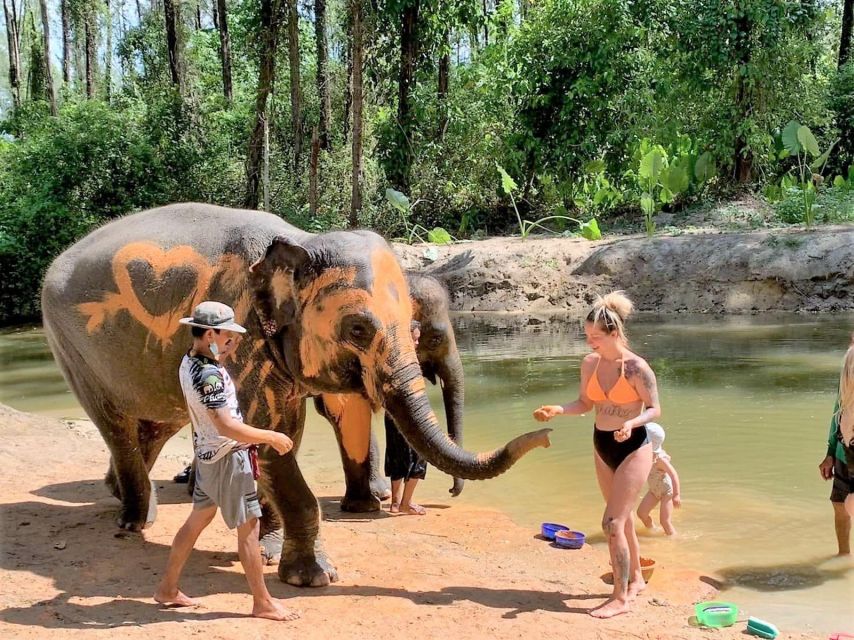
Next up is a cultural workshop where you create your own Thai herbal inhaler called Ya Dom. This is not just a craft. It’s a daily-life item in Thailand, used for traditional wellness and scent-based relief.
You’ll make it in a peaceful, guided way, and you can take it home as something personal. It also gives you a grounded connection to Thai culture that isn’t tied to animal interaction at all.
If you like travel souvenirs that reflect real practices, Ya Dom is the kind of item that makes the day feel complete.
Meeting the Elephants as Individuals, Through Mahout Eyes
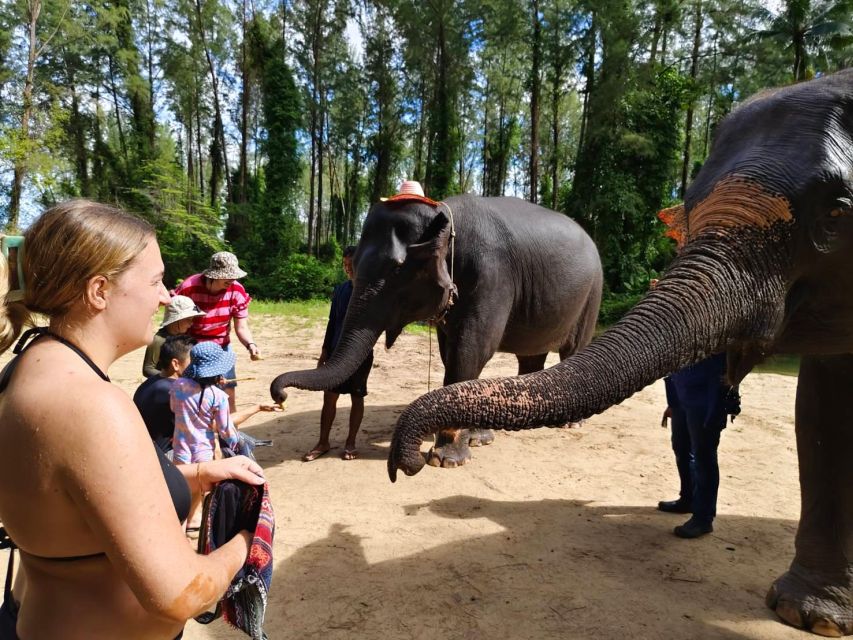
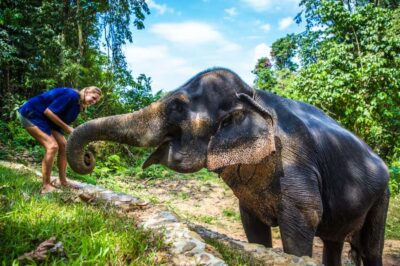
After the workshops, you meet the elephants as individuals with their own backgrounds and personalities. Experienced mahouts share stories—how each elephant ended up at the sanctuary and how their care works now.
This part is important. A lot of elephant experiences treat elephants like a single performance unit. Here, the focus is on seeing them as separate animals with distinct temperaments, habits, and comfort levels.
Guides such as Di Di, Winnie, Lala, Bond, Shane, Ron, Tin, and Shenr are repeatedly named in the experience’s highlights. Even if you don’t get the same guide, the format tends to stay the same: careful explanations, practical expectations, and time that respects elephant choice.
The Observation Walk: Follow Along, Don’t Direct
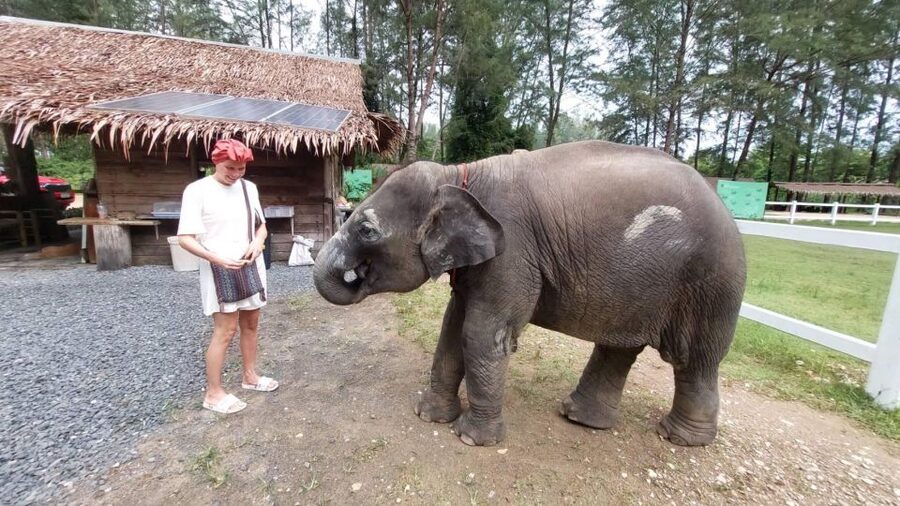
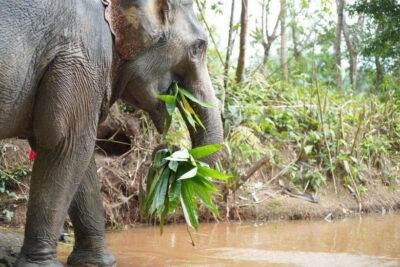
The core elephant moment is a guided observation walk led by mahouts. You follow from a respectful distance as the elephants move within a defined area.
You don’t touch the elephants. You don’t lead them. And you don’t control direction or behavior. The expectation is quiet watching while the elephants set the pace.
This is where ethical tourism becomes more than a buzzword. When you’re not steering the interaction, you notice details you’d miss in a show setup: how they shift weight, how they decide whether to approach a shaded area, and how they interact socially when they choose to.
Some people feel surprised by how calm it all is. The best way to get value here is to slow down your own urge to “make something happen.”
Creek and Mud Bath Watching: Elephant-Led, Not You-Driven
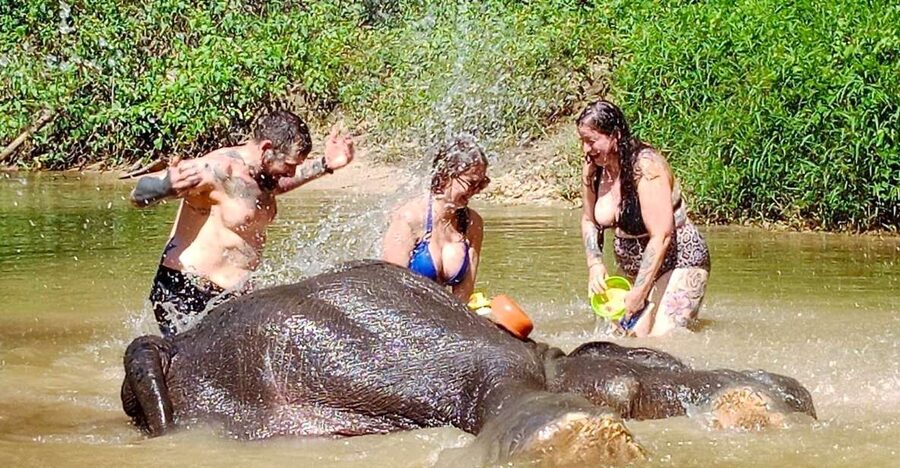
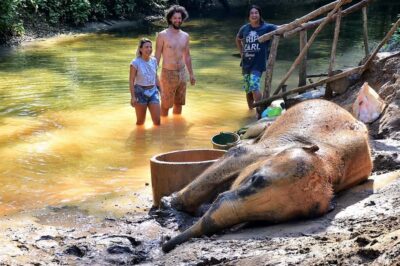
Near a natural creek, there’s a designated viewing platform where you can observe elephants if they decide to bathe or play in the mud.
This is one of the most meaningful parts of the experience because it’s the closest thing to “routine” you’ll ever see in tourist elephant settings. The elephants choose the timing, the way they move, and whether mud is worth it today.
A helpful practical thought: wear your planning like you’re going to be outside in warm weather. Even if you’re not touching or bathing the elephants yourself, you may still get splashes or feel damp air near water. Bring a towel and a change of clothes so you’re not stuck sweaty and uncomfortable after.
Khanom Krok Cooking Time: Thailand Street-Food Culture, Done Gently
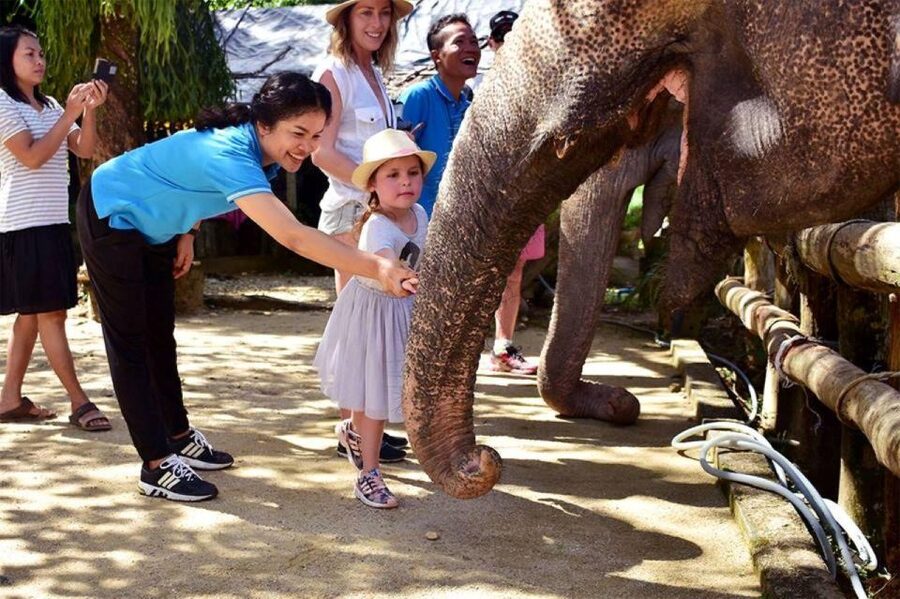
Your day finishes with a traditional Thai snack activity: Khanom Krok, often described as Thai coconut pancakes. You’ll cook them in a friendly, unhurried setting.
This stop balances the day. You spent the morning learning and watching elephants; now you’re doing something hands-on but human-focused, with a clear end product you can share.
And yes, it helps the flow of the whole tour. When a sanctuary visit includes only lectures and waiting, people get restless. Snack-making gives you a satisfying break without turning the day into a theme park.
You’ll also be served drinks, including water and cola, which makes the 3-hour pace feel more comfortable in the heat.
Price and Value: What $56 Buys in Real Life
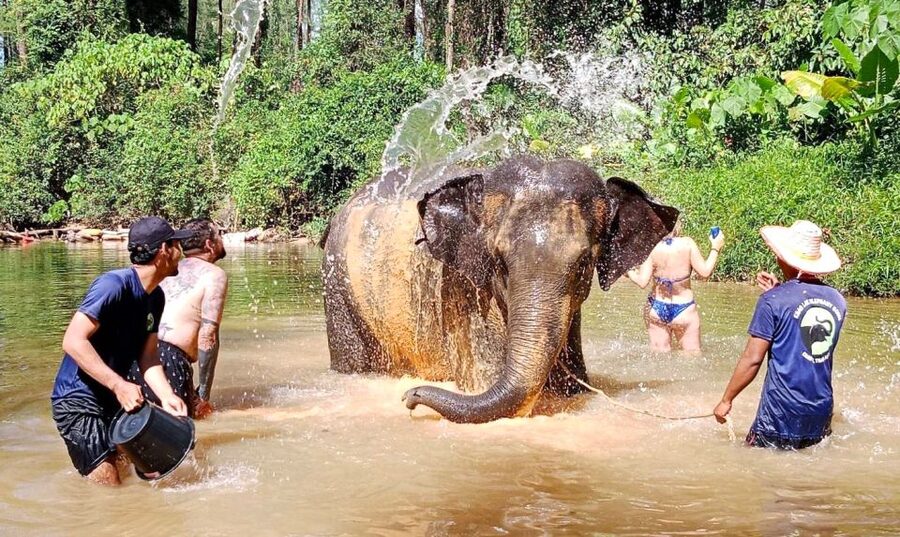
At around $56 per person for a 3-hour experience, you’re paying for more than a ticket to see elephants. You’re also paying for:
- hotel pickup and air-conditioned transport within the Khao Lak area
- admission to the sanctuary experience
- a guided observation walk with mahouts
- educational intro (audio-visual, 40 languages)
- multiple cultural activities (herbal supplement prep, Ya Dom inhaler, Khanom Krok)
- English-speaking staff support and basic refreshments
That mix is why the value can feel strong. You don’t just go home with photos. You go home with a working understanding of ethical elephant principles and a couple of tangible Thai culture items.
Also, the experience holds a very high satisfaction score, with strong feedback around how relaxed and unrushed it feels. When a tour is well-run, you usually notice it most in the pacing, not in flashy promises.
Practical Tips: What to Bring and How to Make It Comfortable
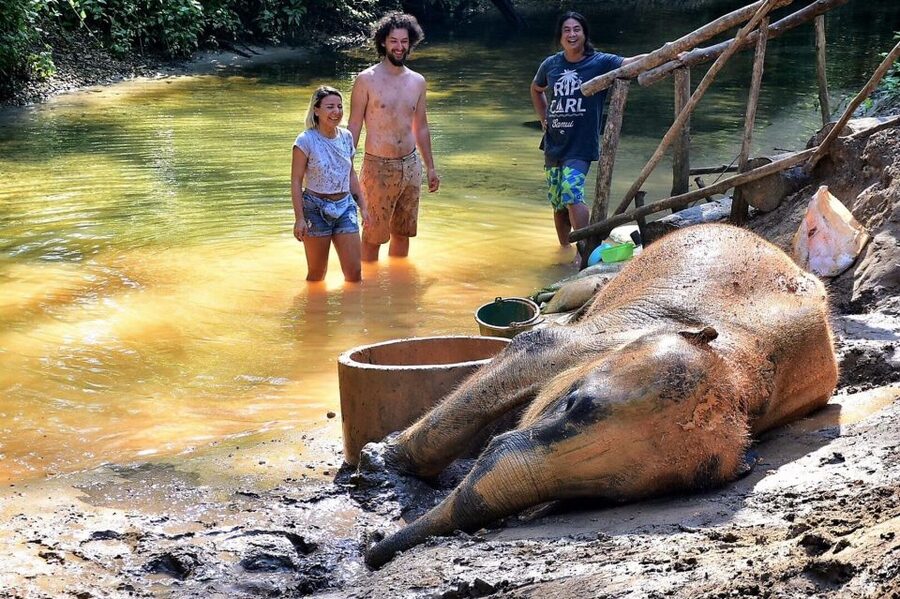
Here’s what you should bring, based on the tour’s guidance:
- sun hat
- change of clothes
- towel
- sunscreen
- insect repellent
- a passport or ID card copy
This kind of outing lives or dies on comfort. You’ll be outside, moving at a slow walking pace, and the heat and bugs in southern Thailand are real. A towel and change of clothes are especially smart even if you’re only watching mud-bathing from a viewing area.
For timing, plan to be ready for pickup in the hotel lobby about 10 minutes early. Drivers will wait no longer than 5 minutes after the scheduled pickup time.
Who Should Book This Elephant Sanctuary Experience
This is a strong fit if you want an elephant encounter that prioritizes welfare-first rules: no riding, no touching, and elephant-led behavior. It’s also a great match if you enjoy travel days that mix animal care with culture, like Thai herbal wellness and cooking street food.
It may not fit if you need maximum mobility access. The experience is listed as not suitable for people with mobility impairments, and it’s also listed as not suitable for pregnant women.
If you’re traveling with kids, the tour length can work well. One of the positive highlights from families is that the format stays focused while still giving enough time with the elephants and enough time to do the cultural activities.
Should You Book the Khao Lak Ethical Elephant Sanctuary Experience?
Yes, if you want the ethical standard to be more than a marketing label. The combination of elephant-led behavior, mahout-guided observation, and Thai cultural workshops makes this a worthwhile 3-hour commitment.
Book it if:
- you’d rather watch elephants naturally than stage interactions
- you want practical cultural takeaways like Ya Dom and Thai snack-making
- you appreciate structured, welfare-aligned education before you meet the elephants
Skip it (or ask questions before booking) if:
- you’re expecting to actively bathe, scrub, or handle elephants
- you need a program designed for mobility needs
If you come in expecting quiet observation and learning, you’ll get a day that feels calmer, more respectful, and genuinely connected to Thailand beyond the animal selfie loop.
FAQ
How long is the elephant sanctuary experience in Khao Lak?
It runs for about 3 hours total.
What does the tour cost?
The price is listed as $56 per person.
Is elephant riding or touching allowed?
No. The experience is observation-only with a no riding, no touching policy and no forced interaction.
Will I eat a full meal on this tour?
No meal is included, but there are snacks and a Khanom Krok activity, plus drinks like water and cola.
What cultural activities are included besides the elephants?
You’ll prepare a traditional herbal health supplement for elephants, make a Thai herbal inhaler called Ya Dom, and make Khanom Krok (Thai coconut pancakes).
What language is the tour offered in?
English is supported, with English-speaking staff assistance.
Is it suitable for everyone?
It’s listed as not suitable for pregnant women and people with mobility impairments. Also, bring an ID or passport copy.
More Tour Reviews in Khao Lak



Time With the Rescued Elephants
Just Added: The Latest Khao Lak Reviews
- Phuket: Zip Line & ATV Adventure with Hotel Transfer Option
★ 5.0 · 3 reviews - Khaolak Safari: Elephant Sanctuary and Cheow Lan Lake Bliss
★ 4.3 · 3 reviews - Khao Lak: The Amazing 3 Temples Phang Nga Tour
★ 3.3 · 3 reviews - Surin Islands 2 Days 1 Night Trip from Khao Lak
★ 4.5 · 3 reviews - Similan Islands One Day Tour From Khao Lak
★ 3.5 · 3 reviews
Khao Lak Elephant Sanctuary Tours, compared.
 ★ 4.7Rafting, Elephant Bathing & Sea Turtle Center TourFrom $732,519 reviews
 ★ 4.8Khao Sok Bamboo Rafting and Elephant Bathing TripFrom $79719 reviews
 ★ 4.9Elephant Bathing and Turtle Center VisitFrom $63490 reviews
 ★ 4.8Khao Lak Ethical Adventure: Rafting, Turtles & ElephantsFrom $90260 reviews
 ★ 4.7Elephant Sanctuary Guided Tour with Hotel TransfersFrom $51226 reviews
 ★ 4.72-Hour Elephant Sanctuary Eco-Walk with GuidedFrom $73206 reviews
 ★ 4.9Ethical Elephant Sanctuary ExperienceFrom $112112 reviews
 ★ 4.9Day Trip to Khao Sok with Elephant Camp VisitFrom $9991 reviews
Browse the lists this tour appears in