
Reviewed · KHAO LAK THAI COOKING CLASSES
3 hours Khao Lak Cooking Class and Market Visit
Food starts in the market. I love how the market visit shows you what to buy and how Thai cooks think about ingredients, and I love the hands-on class that helps you balance Thai flavors like sweet, sour, salty, and spicy. One thing to consider: some cooking steps happen with prep already done, and one guest wished the written recipe guidance was more instruction-heavy.
This is a tight 3-hour experience in Gulf of Thailand, run through Khao Lak Ethical Elephant Sanctuary, with English-speaking chefs and hotel pickup/drop-off. You’ll shop for items you’ll use right away, cook multiple dishes, and finish with included extras like tea/coffee plus a certificate of achievement.
In This Review
- Key things to know before you go
- Market Stop: Choosing Ingredients Like a Local (Without Feeling Lost)
- The Cooking Session: Four Dishes, One Skill Set
- Pad Thai: The Street Food Anchor
- Tom Yum Goong: Bold, Aromatic, and Sour-Spicy
- Som Tum: Papaya Salad with Real Flavor Logic
- Mango Sticky Rice: The Sweet Finish
- How the Setup Helps You (and What Might Feel Limiting)
- The Fun Thai Skills: Fruit Carving or Coconut Milk Preparation
- Meals, Snacks, Tea or Coffee, and the Certificate
- Ethical Elephant Sanctuary Context: Observe Without Forcing It
- Price and Logistics: Does $87 Make Sense for This 3-Hour Class?
- Should You Book This Khao Lak Market and Cooking Class?
- FAQ
- How long is the cooking class and market visit?
- What is included in the price?
- Which dishes are you likely to cook?
- Is the class taught in English?
- Do I need to bring anything?
- Is alcohol allowed during the experience?
- Is the class suitable for beginners?
- Do I get hotel pickup and drop-off?
- Is there a certificate?
- Can I reserve and pay later?
Key things to know before you go
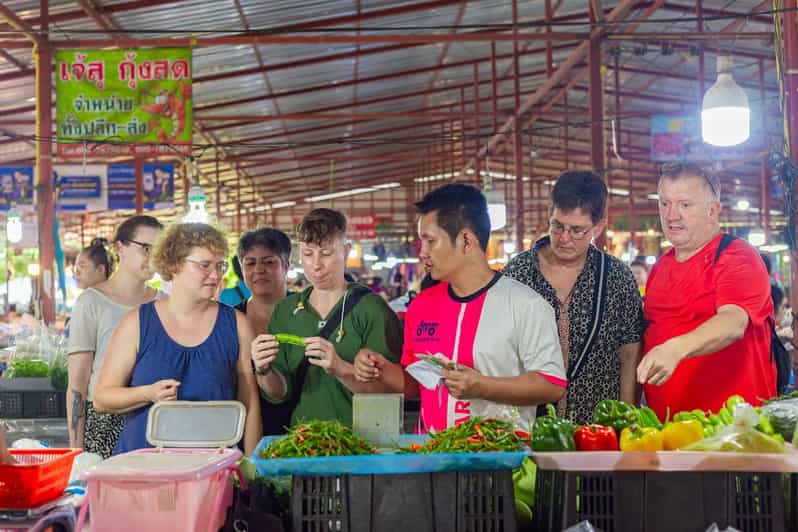
- Market-to-wok ingredient picking: you handpick what you’ll cook instead of working from a pre-packed basket
- Flavor balancing lessons: you practice the sweet/sour/salty/spicy logic behind Thai favorites
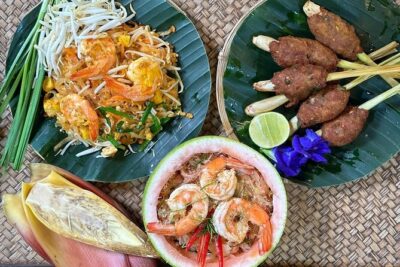
- Classic dishes in one sitting: Pad Thai, Tom Yum Goong, Som Tum, and mango sticky rice
- Short format, real output: a four-course meal style setup that gets you eating without waiting forever
- Small-group energy when available: some sessions can be very small, which makes it easier to ask questions
- Thai “bonus” skills: fruit carving or coconut milk preparation adds a fun take-home technique
Market Stop: Choosing Ingredients Like a Local (Without Feeling Lost)
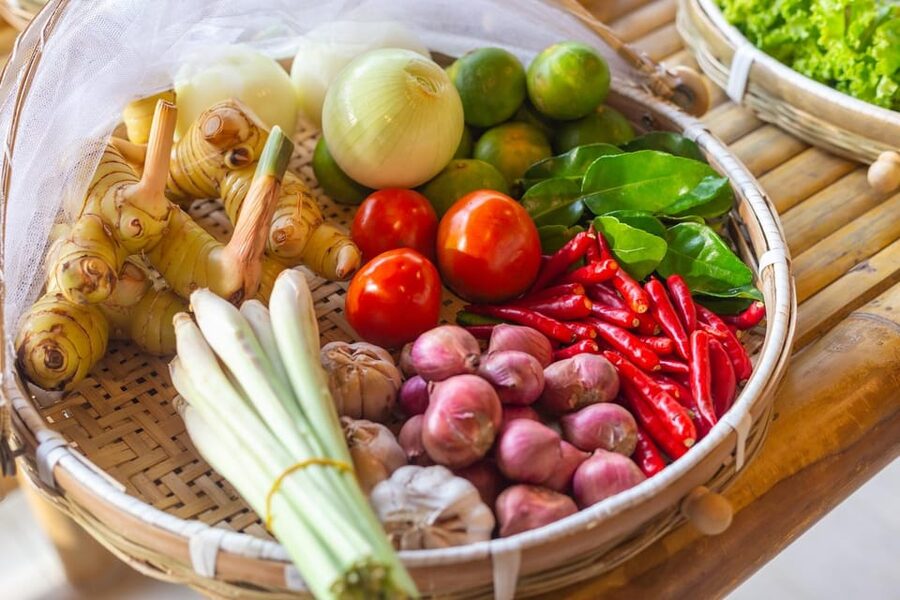
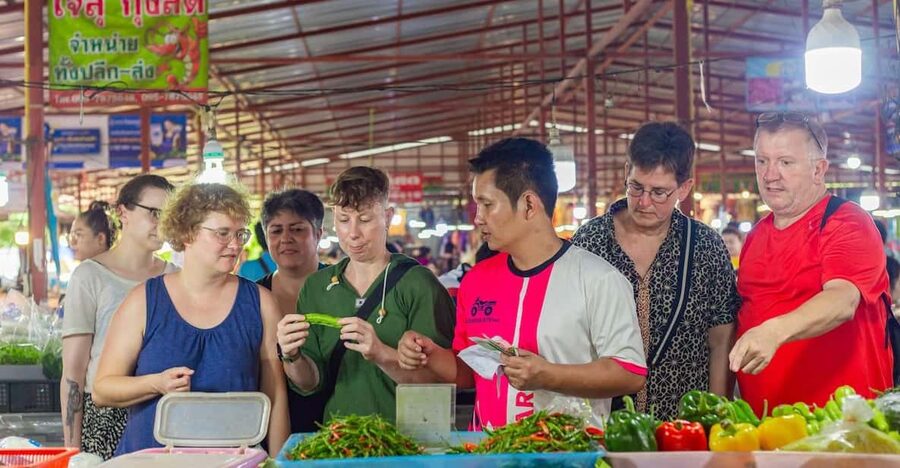
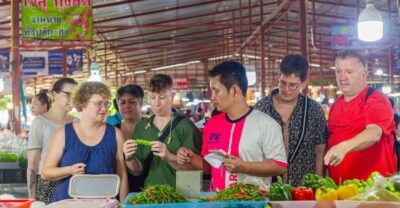
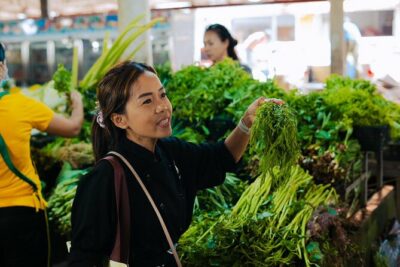
The day starts with a market tour, and that part matters more than most people expect. When you learn what ingredients to select on the spot, you stop guessing later when you try to cook at home. It also changes the whole vibe: you’re not just following steps, you’re making choices.
You’ll be taught by an expert local chef who guides what to look for and what each ingredient is for. In practice, that means you can buy with confidence, not just by name. And if your class is small, you often get more face time with the guide, which makes the shopping portion feel personal.
Plan to go ready for sun and walking. Bring a hat, and wear something you don’t mind getting a little dusty or warm. Also, if you can, come with an appetite. There’s food involved before the main cooking portion, and the day is designed so you’re eating as you learn, not waiting until the end.
More market runs and Thai cooking to try


The Cooking Session: Four Dishes, One Skill Set
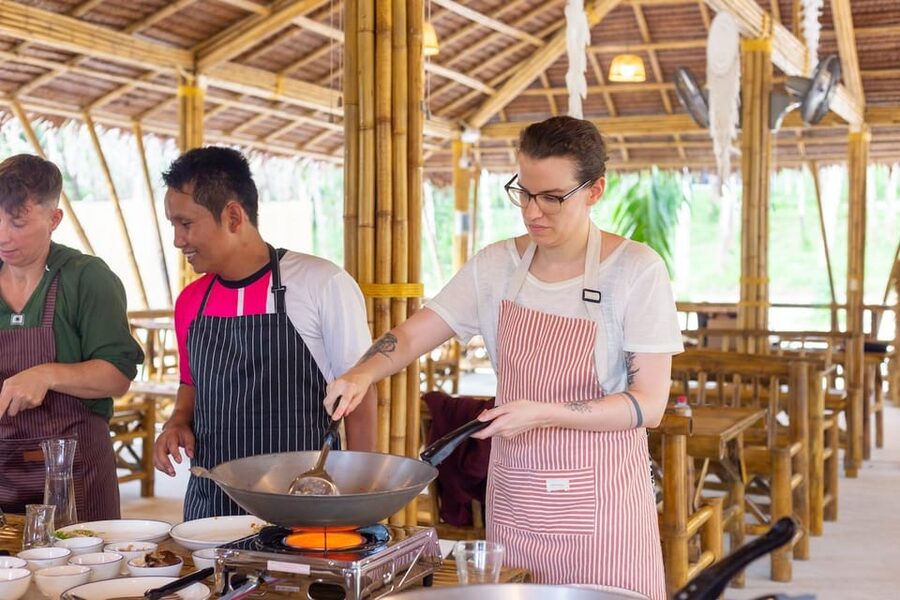
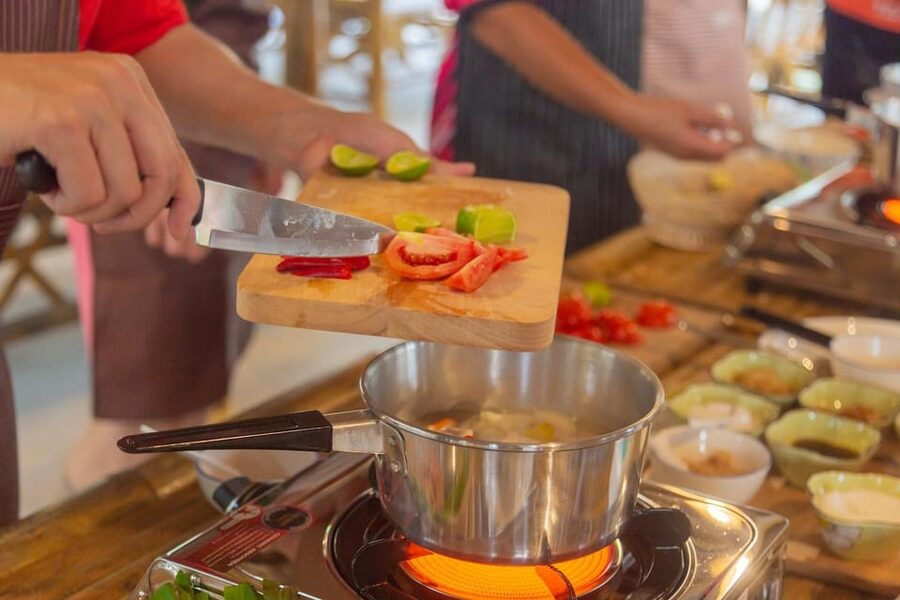
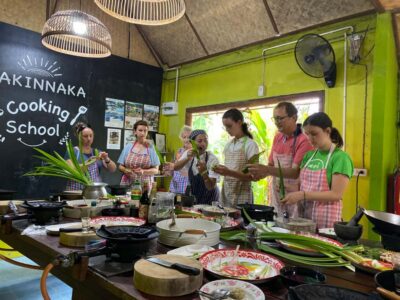
The class is set up for all skill levels, but it’s still very hands-on. You’re not just watching a demonstration. You’ll work at the stove with help from your chef as you cook Thai classics and learn what makes each dish taste right.
A helpful detail: some parts of the meal may already be prepped before you start cooking. That keeps the pace manageable inside a short 3-hour window. The trade-off is that you’ll still do the active cooking steps, but you might not see every tiny prep decision from scratch.
Pad Thai: The Street Food Anchor
Pad Thai is one of the iconic dishes included, and it’s a smart choice for a class because it’s loved everywhere and has clear flavor balance. Expect to learn how Thai cooking aims for harmony, not just heat. When you taste what you make, you get a quick read on whether your balance is right.
If you leave this dish feeling confident, that’s a big win. Pad Thai gives you a template you can reuse later with different ingredients and protein choices, even if the exact recipe varies by cook and region.
Tom Yum Goong: Bold, Aromatic, and Sour-Spicy
Tom Yum Goong is another anchor dish in the lineup. The class describes it as bold and aromatic, which is exactly why it teaches well. Soupy Thai flavors are less forgiving than something dry, so you learn fast how sour and spicy elements work together.
Because this is hands-on, your role isn’t just tasting. You’re part of the flavor-building process, so you’ll understand what changes the overall profile when you adjust key components.
Som Tum: Papaya Salad with Real Flavor Logic
Som Tum shows up as a papaya salad with a vibrant mix of flavors. This is where the class’s focus on sweet, sour, salty, and spicy becomes practical. Salad dishes like this are a great lesson because they make it obvious when one element is off.
You’ll learn how Thai cooks create a balance that feels lively instead of heavy. And if you like food that tastes fresh and sharp, this dish is often the one people remember most.
More market wanders and local shopping
Mango Sticky Rice: The Sweet Finish
For dessert, you’ll make mangoes and sticky rice together, described as a quintessential Thai combination. This is a comforting ending after spicy and sour dishes, and it’s also useful for learning how Thai sweetness and creamy elements play together.
If your goal is to cook a full meal, this dessert makes the class feel complete. It’s not just one main dish; it’s a full Thai-food arc from savory to sweet.
How the Setup Helps You (and What Might Feel Limiting)
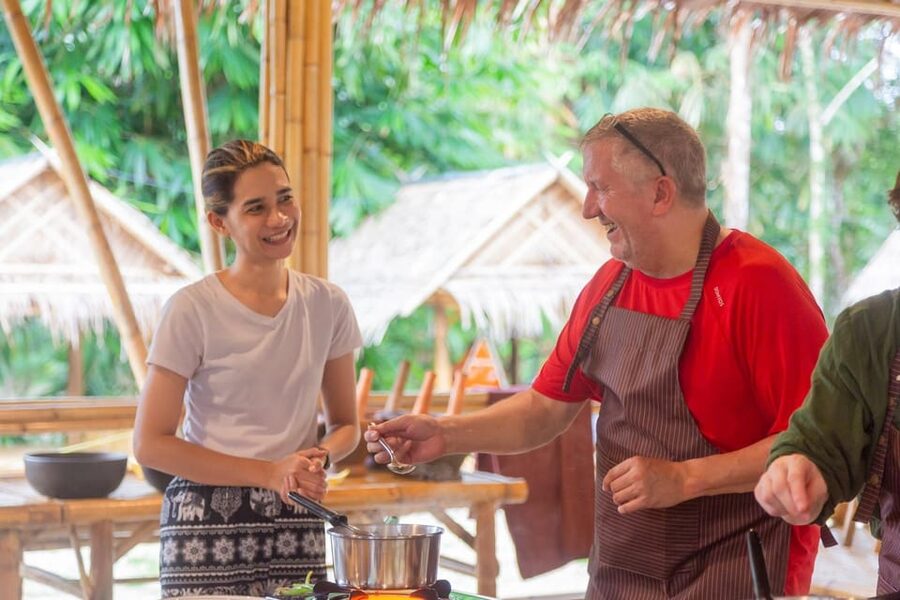
The experience is designed for pace and payoff. One thing I really like about this style of cooking class is that you can still eat a multi-course meal without it turning into an all-day event.
For your expectations, here’s the practical reality: there’s equipment and ingredients included, so you’re not stuck shopping for basics before you arrive. And since you get recipe guides, you’re meant to be able to repeat at least the core ideas at home.
Still, one caution worth taking seriously: one participant felt the cooking guidance lacked recipe instructions. That doesn’t mean you won’t learn; it just means you may want to take extra notes during class if you’re the type who depends on detailed written steps.
A simple approach: watch closely while cooking, then jot down the key flavor cues the chef emphasizes. If your guide explains what to look for (taste, smell, balance), those notes can matter more than a page of text.
The Fun Thai Skills: Fruit Carving or Coconut Milk Preparation
This class includes a creative add-on: fruit carving or coconut milk preparation. It’s the kind of extra skill that makes the day feel more than just cooking and tasting. Plus, it gives you a souvenir technique you can show friends.
Even if you’re not a craft person, you’ll probably enjoy this part because it’s more playful and less about precision. And it connects to Thai flavor culture: coconut milk shows up in many Thai desserts and dishes, so learning how it’s prepared helps you understand why Thai food tastes so smooth and satisfying.
If you pick fruit carving, it also helps you understand Thai table presentation. That matters in Thailand, where food isn’t only about flavor; it’s also about how it looks when it’s served.
Meals, Snacks, Tea or Coffee, and the Certificate
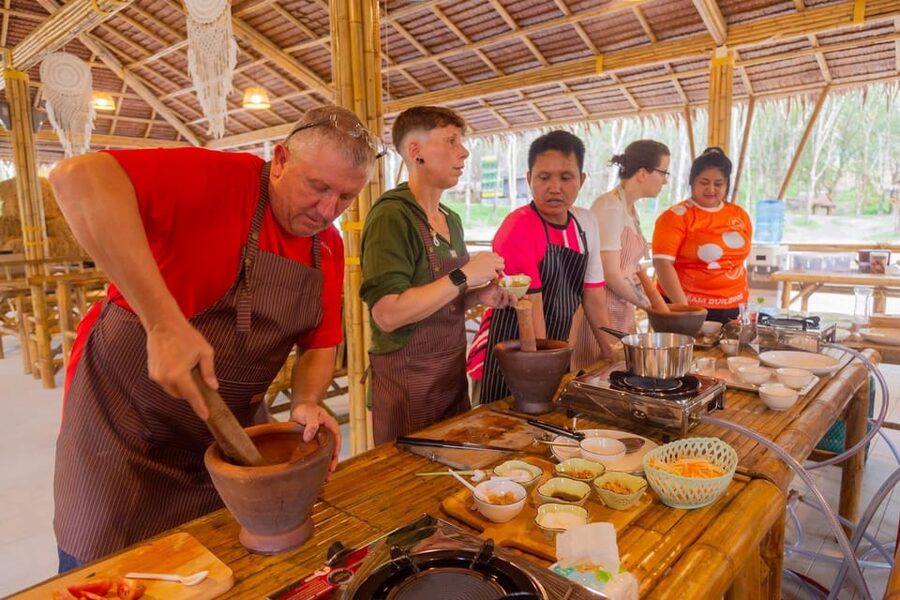
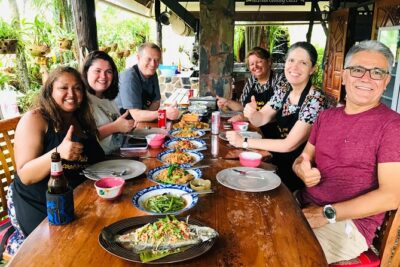
Food keeps flowing. You’ll start with market snacks, and you’ll end up eating the dishes you cook across multiple courses. One person specifically noted that coming without breakfast helps, because there’s plenty to eat and you’ll want your taste buds fresh.
You’ll also get free tea or coffee included. It’s not a huge thing, but it’s one less purchase you need to make during the day.
At the end, you receive a certificate of achievement. That sounds ceremonial, but it reflects the idea that this is a structured learning experience, not just a casual cooking demo.
One additional detail from the class atmosphere: some sessions may include tasting extra treats sourced from locals, such as homemade ice cream or sesame-style snacks at the market. Even if your exact menu varies slightly, expect the day to focus on eating while you learn.
Ethical Elephant Sanctuary Context: Observe Without Forcing It
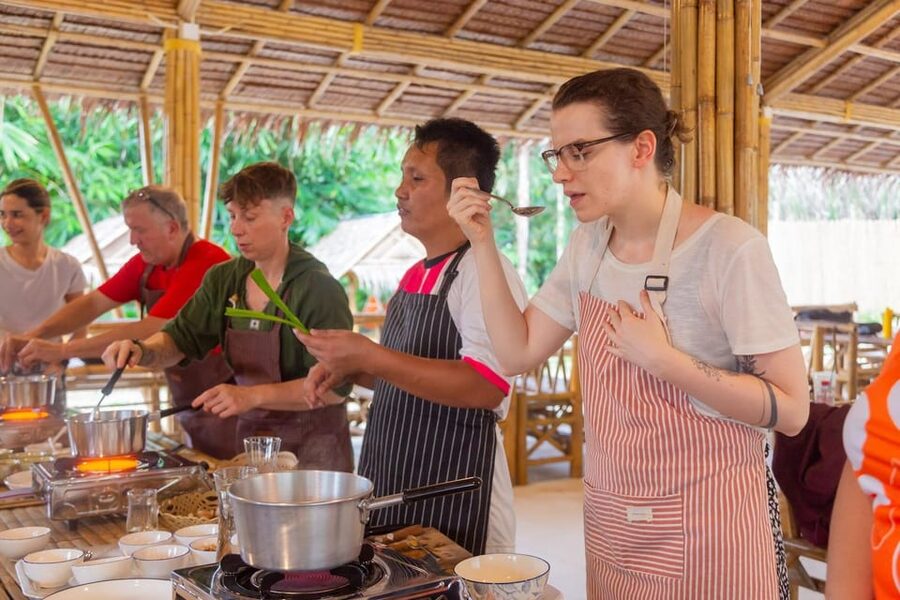
This class is run through Khao Lak Ethical Elephant Sanctuary, which means the environment is elephant-centered. The important rule is clear: they don’t force elephants to do activities, and interactions depend on the elephants’ comfort.
If an elephant-related activity can’t happen as planned because of the elephants’ choices, there are no refunds. That’s not about you being unlucky; it’s about respecting the animals’ natural behavior.
For you, the takeaway is simple: treat the elephant portion as something you might witness, not something you can control. If you prefer a schedule that never changes, you’ll want to keep that in mind.
Price and Logistics: Does $87 Make Sense for This 3-Hour Class?
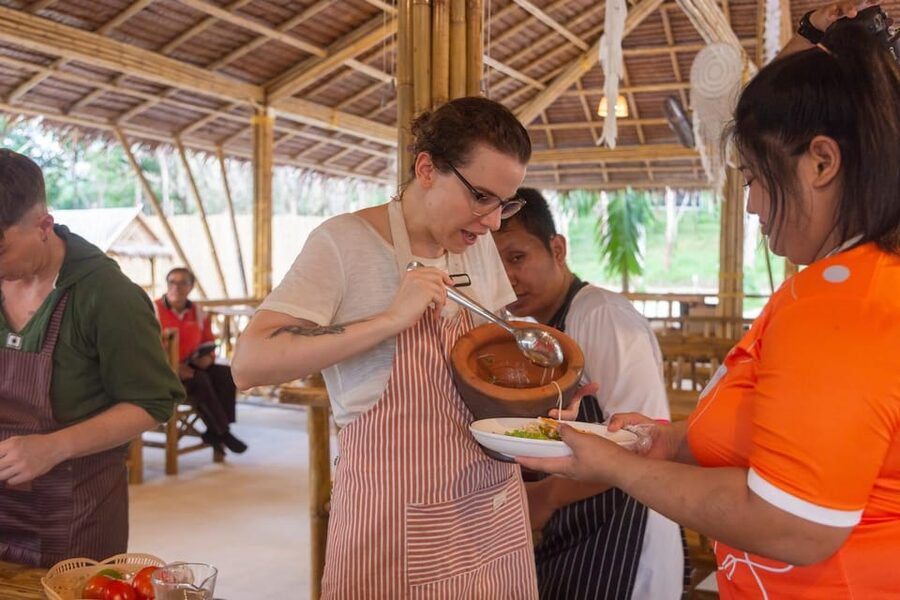
At $87 per person for a 3-hour market-and-cooking experience, the value comes from what’s included, not just the cooking. You get hotel pickup and drop-off, market tour guidance, recipe guides, free tea or coffee, and all ingredients and equipment needed.
That combination matters. Cooking classes often look cheaper until you add transport, ingredients, and tools. Here, those basics are handled. You also get a certificate and one extra skill like fruit carving or coconut milk preparation, which adds to the sense that you did a real activity, not just a meal.
Who tends to feel the price is fair:
- You want Thai street-food style dishes taught with practical flavor logic
- You prefer not to plan a market shopping trip on your own
- You like the convenience of pickup and drop-off
- You’re okay with a short class pace where some prep may already be done
If you’re the kind of person who needs very detailed written cooking instructions to feel confident, you might want to bring extra note-taking habits. The cooking still sounds strong, but the paper guidance quality can be hit-or-miss.
Should You Book This Khao Lak Market and Cooking Class?
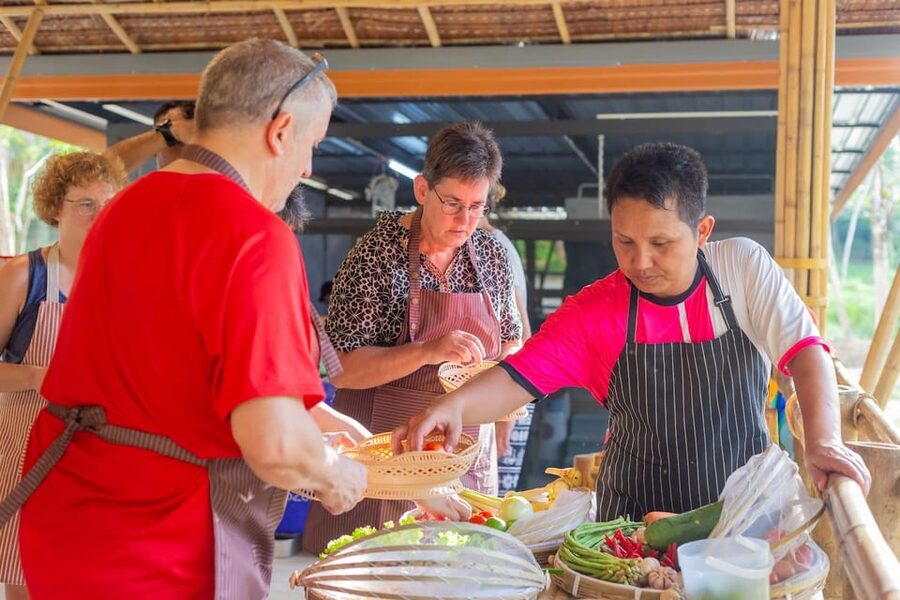
Book it if you want a compact day with real cooking output, plus the helpful ingredient education that makes your food-making more accurate back home. I especially think it’s a good fit if you’re excited about specific dishes like Pad Thai, Tom Yum Goong, Som Tum, and mango sticky rice—and you want hands-on help balancing those flavors.
Skip it (or go in with eyes open) if you need a strictly step-by-step recipe booklet to cook confidently later. And if you’re expecting guaranteed elephant interactions as part of the schedule, adjust your expectations: elephant comfort comes first, and the plan may change.
If you like your travel days practical and delicious, this is a strong choice for Khao Lak. You’ll leave having cooked a full mini Thai meal, learned how to shop smarter at the market, and picked up at least one fun skill you can use again.
FAQ
How long is the cooking class and market visit?
It lasts about 3 hours.
What is included in the price?
The market tour, recipe guides, free tea or coffee, all ingredients and equipment needed, a certificate of achievement, fruit carving or coconut milk preparation, and hotel pickup and drop-off.
Which dishes are you likely to cook?
The class covers Pad Thai, Tom Yum Goong, Som Tum, and mango sticky rice.
Is the class taught in English?
Yes, the class is listed as English-speaking.
Do I need to bring anything?
Bring a hat and change of clothes.
Is alcohol allowed during the experience?
No, alcohol and drugs are not allowed.
Is the class suitable for beginners?
Yes, it’s described as hands-on and for all skill levels.
Do I get hotel pickup and drop-off?
Yes, hotel pickup and drop-off are included.
Is there a certificate?
Yes, you receive a certificate of achievement.
Can I reserve and pay later?
Yes, reserve and pay later is offered, and you can book your spot and pay nothing today.
Markets and Local Shopping


More Tour Reviews in Khao Lak




A Morning in a Thai Kitchen
Just Added: The Latest Khao Lak Reviews
- Phuket: Zip Line & ATV Adventure with Hotel Transfer Option
★ 5.0 · 3 reviews - Khaolak Safari: Elephant Sanctuary and Cheow Lan Lake Bliss
★ 4.3 · 3 reviews - Khao Lak: The Amazing 3 Temples Phang Nga Tour
★ 3.3 · 3 reviews - Surin Islands 2 Days 1 Night Trip from Khao Lak
★ 4.5 · 3 reviews - Similan Islands One Day Tour From Khao Lak
★ 3.5 · 3 reviews
Khao Lak Thai Cooking Classes, compared.
 ★ 5.0Thai Cooking Class in Khao Lak by Amazon Prime Series ChefFrom $59661 reviews
 ★ 5.0Riverside Thai Cooking Half Day ClassFrom $71276 reviews
 ★ 4.9Thai cooking class &Market tour by Amazon Prime Series Chef.From $70266 reviews
 ★ 5.0Local food tasting at Hidden Takua Pa By Amazon prime Series ChefFrom $8035 reviews
 ★ 4.0Fun Learning Thai Cooking with Local Market from Khao LakFrom $6712 reviews
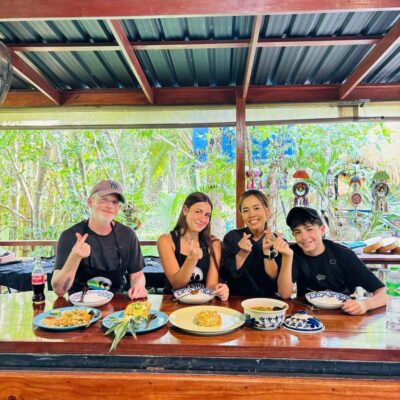 ★ 3.9Half-Day Cooking Class and Ingredient HuntFrom $7210 reviews
 ★ 5.0Khao Sok Local Life Adventure & Traditional Cooking ClassFrom $1036 reviews
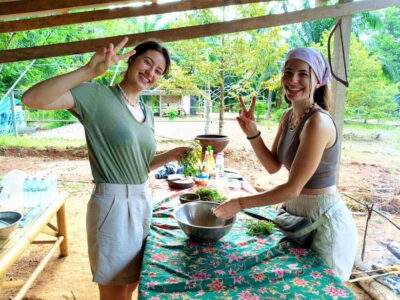 ★ 4.9Khao Sok: Private Authentic Jungle Cooking ExperienceFrom $574 reviews
Browse the lists this tour appears in