
Reviewed · SURIN ISLANDS SNORKELING TRIPS FROM KHAO LAK
Surin Islands Overnight Beach Camping and Snorkeling Adventure
Surin Islands feel like a world away. This 2-day overnight plan mixes snorkeling in Mu Ko Surin National Park with a visit to the Moken sea gypsy village. You get a full day on the water, then camp right near the action, and the second day gives you options depending on how you feel.
I love that the trip includes practical extras that make the day run smoother: snorkeling gear, all meals listed (lunch both days, dinner day one, breakfast day two), and bottled water plus snacks. I also really like the small group size, capped at 15, which helps keep the whole experience calmer around the piers and bays.
The one consideration: overnight camping is part of the deal. You’ll sleep in a tent with bedding at the national park campsite, so you should expect a more basic setup than a hotel room—even if the setting is gorgeous.
In This Review
- Key Highlights to Know Before You Go
- Snorkeling and Moken Culture, Packed Into 2 Days
- From Khao Lak to Greenview Pier: The Start That Shapes the Whole Day
- Day One in Mu Ko Surin National Park: Bon Bay and Sapparod Bay
- Lunch at the Park HQ, Beach Time, and the Moken Village
- Chong Kard Bay in the Afternoon: The End of a Full Water Day
- National Park Camping Overnight: Tent-and-Bedding Reality Check
- Day Two: Breakfast, Choice of Longtail Snorkeling or Nature Trails
- What’s Included (and Why It Makes This Feel Like Real Value)
- Who This Tour Fits Best
- Practical Tips for Getting the Most From Your Reef Time
- Price and Logistics: Booking It Smart
- Should You Book Surin Islands Overnight Camping and Snorkeling?
- FAQ
- How long is the Surin Islands overnight camping and snorkeling adventure?
- Where does the tour operate?
- Is hotel pickup included?
- Is snorkeling equipment included?
- Which snorkeling areas are included?
- What meals are included?
- Do I need to bring a tent or sleeping gear?
- How big is the group?
- What ages can join?
- What happens if weather conditions are poor?
- Is there free cancellation?
Key Highlights to Know Before You Go
- Bon Bay, Sapparod Bay, and Chong Kard Bay: multiple snorkeling stops inside the national park area
- Moken village visit: a culture-focused break between reef time and more snorkeling
- Overnight at a national park campsite: tent-and-bedding stay that keeps you close to the shoreline
- Two day-one underwater sessions plus a second-day option: longtail boat snorkeling or island nature trails
- All the essentials included: snorkeling gear, meals, snacks, bottled water, soda/pop, coffee/tea, and fees
- Maximum 15 people: smoother pacing and less crowd pressure on boat transfers and beaches
Snorkeling and Moken Culture, Packed Into 2 Days
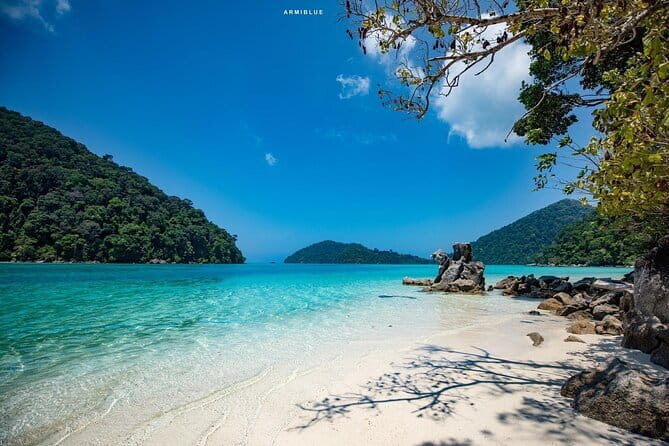
Surin Islands are popular for a reason, but what I like about this format is that it doesn’t treat snorkeling as the whole story. You combine time in Mu Ko Surin National Park waters with a real-world culture stop at a Moken village, so the trip feels balanced: sea life by day, community and tradition on land, then more water time.
This is also set up with pacing in mind. You’re not sprinting from one place to the next every hour with no breaks. You get lunch, beach time, snacks, and a campsite dinner day one, which matters when you’re using your energy on the water.
If you want a quick reef trip, this is still fast. But if you want a chance to slow down and actually feel like you left the mainland, the overnight camping piece does a lot of the heavy lifting.
More snorkel runs up to the Surin Islands


From Khao Lak to Greenview Pier: The Start That Shapes the Whole Day
Your day begins with hotel pickup, which is a huge convenience if you’re staying around Khao Lak or Kuraburi the night before. From there, you head to Greenview Pier where you register and sort out snorkeling equipment—mask, snorkel, and fins—before you board.
That equipment check is more important than it sounds. Getting your gear settled before you’re out on the speedboat means less fuss in a hurry and more time actually in the water when the boats reach the bays. You also get into the rhythm earlier: gear, briefing energy, then transfer.
Then comes the scenic part. You board a speedboat for about an hour ride to Surin Islands. Even if you’re excited to snorkel, that ride helps set expectations: you’re moving from normal beach time into an island day with national park rules and less “tour bus” energy.
Day One in Mu Ko Surin National Park: Bon Bay and Sapparod Bay
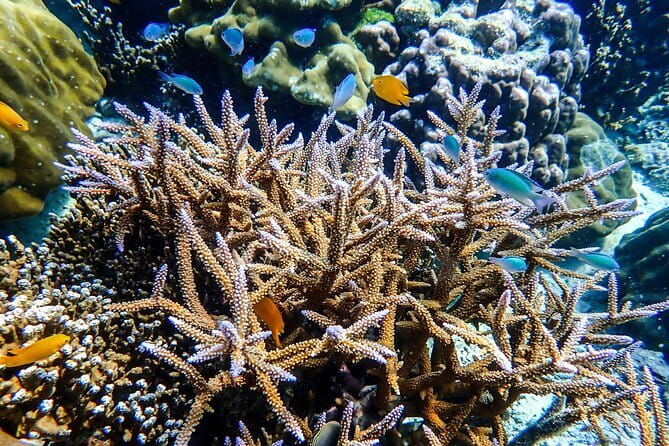
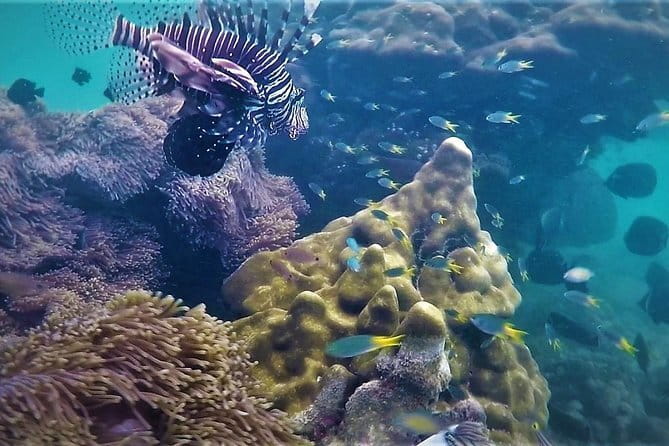
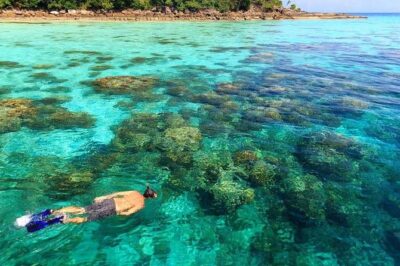
Day one is built around two snorkeling stops: Bon Bay and Sapparod Bay. You’ll be in the water looking at coral areas and the marine life that lives around them, including clownfish.
What I like about starting with these bays is that they’re an early win. Instead of saving the best moments for the end, this day puts you in snorkeling mode right away. The experience feels efficient, but not rushed, because you aren’t yet dealing with campsite logistics.
Also, snorkeling in national park waters tends to feel different from random coastline stops. You’re in a protected area, and that usually changes the vibe: fewer distractions, more focus on the reef, and a clearer sense that the environment is the point.
One practical note: snorkeling works best when you’re comfortable with your gear. If you wear glasses or have any fit issues, take a moment at the pier to get the mask snug and the snorkel easy to breathe through.
Lunch at the Park HQ, Beach Time, and the Moken Village
After the morning water time, you head to lunch at Mu Koh Surin National Park headquarters. Food breaks matter on a trip like this. You’ll be out in sun and wind on a boat, then in the water, then back on land—having lunch handled for you keeps the day from turning into a scramble for snacks.
After lunch, you relax on the beach. It’s not a gimmick. This stretch gives your body a chance to reset, and it gives you a better sense of the island before you jump back in.
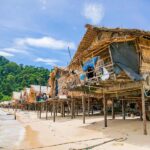
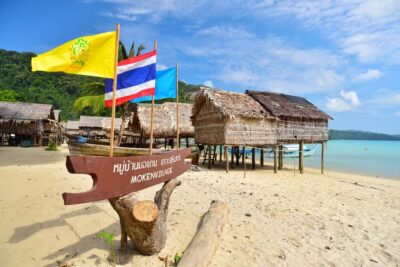
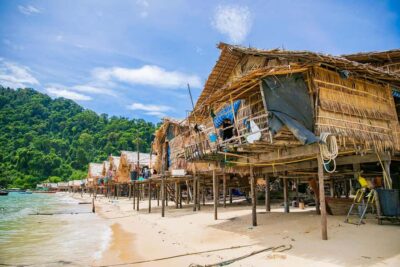
Then you visit the Moken village. This is the cultural heart of the day. The Moken sea gypsies have a traditional way of life tied to the sea, and the visit is designed to help you understand how that connection works beyond just taking photos. It’s also a smart pacing move: you’re alternating between water and land so the trip doesn’t turn into only one physical activity.
When you finish that stop, you’re primed for the final snorkeling session of day one.
Chong Kard Bay in the Afternoon: The End of a Full Water Day
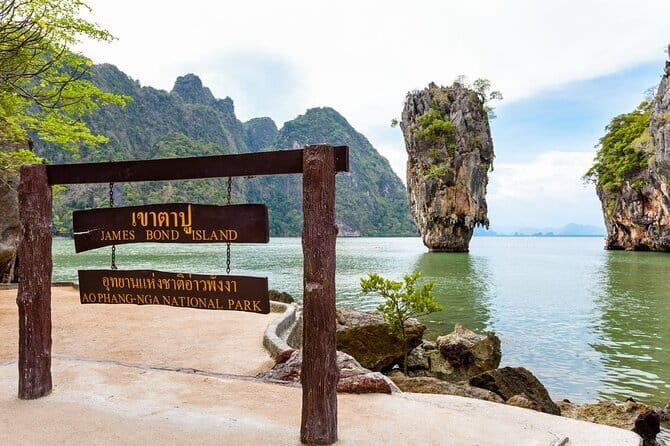
The last snorkeling stop on day one is Chong Kard Bay. By this point, you’ve already gotten two sessions earlier, so you’ll likely know how your breathing feels, how the current treats you (if there’s any), and what works for your mask fit.
This third stop is one reason the overnight format is worth it. You aren’t limited to one or two short “see the reef” moments. You’re getting a real block of underwater time across the day, with other activities woven in.
When you wrap up snorkeling, you end with dinner and relaxation at the national park campsite. That’s where the overnight plan pays off. You’re not rushing back to the mainland right after the best light for snorkeling. Instead, you stay for the quieter part of the day.
More reefs to snorkel along the Andaman coast

National Park Camping Overnight: Tent-and-Bedding Reality Check
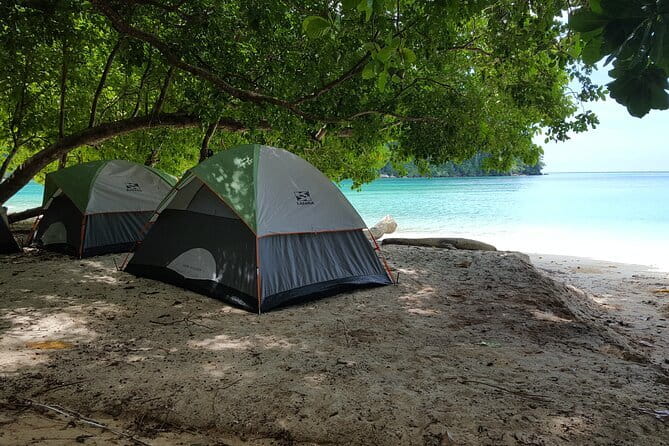
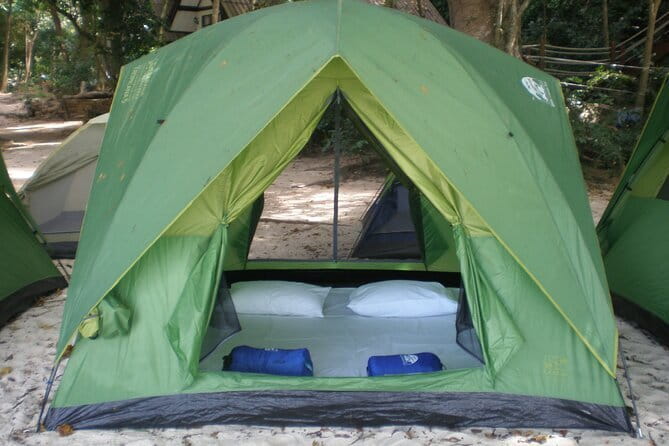
Night one is camping at the national park campsite, with tent and bedding included. I love the atmosphere of camping where the day’s activities happen right outside your door. It also reduces the need for extra transport between sites at night.
But don’t expect hotel comforts. This is a basic setup designed for sleeping under island conditions. If you get cold easily or you’re the type who likes a dry, cushy bed, you’ll want to plan for that reality.
Pack mindset matters here. You’ll be in swimwear, on boats, and then in a camp setting. Think about bringing a way to keep essentials dry and a small bag for your personal comfort items. The tour includes bottled water, snacks, coffee/tea, soda/pop, and meals—but your personal extras are up to you.
The good part? Because meals are covered and sleeping gear is included, you’re not juggling too many logistics. You show up, you snorkel, you eat, you sleep, and then you go again the next day.
Day Two: Breakfast, Choice of Longtail Snorkeling or Nature Trails
Day two starts with breakfast, then you get a choice. You can snorkel via a Thai longtail boat or explore the island’s nature trails.
This choice is more than a convenience. It lets you match the day to how you feel after day one. If your legs and shoulders are tired, the trails can be a gentler way to enjoy the island. If you still want water time, the longtail boat option keeps the reef theme going.
Then you’ll have lunch, check out, and head back to the mainland by speedboat. You arrive at Greenview Pier, enjoy refreshments, and return to Khao Lak or your next destination.
That return flow is simple and common-sense. You’re not stuck waiting around for random transport. You get the boat back, a little refreshment buffer, and then you’re on your way.
What’s Included (and Why It Makes This Feel Like Real Value)
At $214.84 per person for a 2-day overnight experience, the value depends on what you’d otherwise pay for yourself. Here, a lot of the usual add-ons are already handled.
Included items cover the big ticket things:
- snorkeling equipment (mask, snorkel, fins)
- all listed meals: lunch both days, dinner day one, breakfast day two
- bottled water, snacks, coffee/tea, and soda/pop
- air-conditioned vehicle for pickup/transport
- tent and bedding
- fees and taxes
- licensed guide
Not included:
- souvenirs
- additional snacks and drinks
For me, the best value pieces are the combination of gear + meals + campsite stay. Those are the categories that usually inflate the cost of DIY trips. Also, having the national park and transfer logistics handled matters. Boats, timing, and access points can be the hardest part to manage on your own.
One more value angle: the group size is capped at 15. Smaller groups often mean less waiting around at key moments, like when you’re gearing up or boarding boats.
Who This Tour Fits Best
This trip is a strong match if you:
- want a two-day plan instead of a rushed day trip
- care about snorkeling in a protected national park setting
- like the idea of adding a culture stop through the Moken village visit
- are comfortable with basic overnight camping in a tent
It’s also a good pick for mixed interests. You can spend day two snorkeling or doing nature trails, so not everyone has to want the exact same thing at the same time.
Age range is 4–70, so it’s broad. That said, keep in mind that snorkeling and boat transfers require an active mindset, even if the pace is handled by the guide.
Practical Tips for Getting the Most From Your Reef Time
Here are a few ways to make the experience smoother based on how the day is structured.
1) Treat your mask fit like part of the prep
If your snorkel mask leaks or rubs, you’ll lose time and focus. Fix it before you’re on the boat.
2) Plan for sun and wind
Speedboats and beach time stack sun exposure quickly. Even if you’re not listed with specific weather guidance, you’ll feel it on the water. Bring what you need for coverage and comfort.
3) Use the included snacks and water
Day one includes snacks, bottled water, coffee/tea, and soda/pop. Use them. Staying hydrated helps your energy when you’re snorkeling multiple times.
4) Bring a mindset for camping basics
Tent-and-bedding camping at a national park campsite is part of the package. If you’re expecting hotel bedding and quiet AC sleep, you’ll be disappointed. If you’re excited by the outdoors, it’ll feel rewarding.
5) Be ready for a weather-dependent schedule
The experience requires good weather. If conditions don’t cooperate, you’ll be offered a different date or a full refund. In other words, don’t plan around a hard deadline.
Price and Logistics: Booking It Smart
This adventure costs $214.84 per person, and it’s commonly booked about 27 days in advance on average. That tells me two things: demand is steady, and timing matters if you’re traveling during peak months.
You’ll also receive confirmation within 48 hours of booking, based on availability. The tour uses a mobile ticket and includes hotel pickup, so you’re not just getting a boat—you’re getting a full plan.
One more scheduling note: the tour can depend on a minimum number of travelers. If it doesn’t meet that number, you’ll be offered another date/experience or a full refund.
If you like to lock plans early and you enjoy snorkeling plus cultural stops, I’d book as soon as your dates are set.
Should You Book Surin Islands Overnight Camping and Snorkeling?
I think you should book this if you want more than a quick look at the reef. The best part is the balance: multiple snorkeling bays, a meaningful Moken village visit, and an overnight campsite stay that makes the islands feel like an actual place you’re living for a day.
Skip it if you mainly want hotel comforts, or if camping sounds stressful. You can still have an amazing time here, but the overnight setup is a key part of the experience, not an optional add-on.
Also, if you’re flexible on timing, you’ll appreciate the weather-dependent nature. When conditions are right, this format gives you a packed but well-paced two-day adventure.
FAQ
How long is the Surin Islands overnight camping and snorkeling adventure?
It runs for about 2 days.
Where does the tour operate?
It’s based around Khao Lak, Thailand, with transport to and from Greenview Pier.
Is hotel pickup included?
Yes, pickup is offered (and the tour recommends staying in Khao Lak or Kuraburi the night before).
Is snorkeling equipment included?
Yes. Snorkeling equipment is included, including mask, snorkel, and fins.
Which snorkeling areas are included?
On day one, you snorkel at Bon Bay, Sapparod Bay, and Chong Kard Bay. On day two, you can choose snorkeling via a Thai longtail boat.
What meals are included?
Lunch is included on both days. Dinner is included on day one, and breakfast is included on day two.
Do I need to bring a tent or sleeping gear?
No. Tent and bedding are included.
How big is the group?
The group size is capped at a maximum of 15 travelers.
What ages can join?
Only people aged between 4 and 70 are permitted.
What happens if weather conditions are poor?
If the experience is canceled due to poor weather, you’ll be offered a different date or a full refund.
Is there free cancellation?
Yes. You can cancel up to 24 hours in advance of the experience for a full refund.
If you want, tell me your travel month and whether you prefer snorkeling or nature trails on day two, and I’ll help you decide if this exact two-day rhythm fits your trip.
More Andaman Snorkeling
More Tour Reviews in Khao Lak
Snorkeling the Surin Islands
Just Added: The Latest Khao Lak Reviews
- Phuket: Zip Line & ATV Adventure with Hotel Transfer Option
★ 5.0 · 3 reviews - Khaolak Safari: Elephant Sanctuary and Cheow Lan Lake Bliss
★ 4.3 · 3 reviews - Khao Lak: The Amazing 3 Temples Phang Nga Tour
★ 3.3 · 3 reviews - Surin Islands 2 Days 1 Night Trip from Khao Lak
★ 4.5 · 3 reviews - Similan Islands One Day Tour From Khao Lak
★ 3.5 · 3 reviews
Surin Islands Snorkeling Trips from Khao Lak, compared.
 ★ 4.6Full-Day Snorkeling in the Surin IslandsFrom $122410 reviews
 ★ 4.4Surin Islands Snorkeling Tour w/ MealsFrom $114111 reviews
 ★ 4.5Best Seller – Surin Islands Snorkeling Trip from Khao LakFrom $10696 reviews
 ★ 4.5Surin Islands Snorkel Tour by SeaStar Andaman from Khao LakFrom $11242 reviews
 ★ 4.6Surin Islands & Moken Village Premium Snorkel TourFrom $12231 reviews
 ★ 4.5Surin Islands- Early Bird Snorkeltour from Khao Lak in English, French, German, ItalianFrom $10628 reviews
 ★ 5.0Khao Lak/Phuket: Wow Andaman Snorkeling Trip to Surin IslandsFrom $11915 reviews
 ★ 4.5Private Surin Islands Longtail Boat TourFrom $30714 reviews
Browse the lists this tour appears in