
Reviewed · SNORKELING
Local Reef Snorkelling and Deserted Beach
If you want quiet snorkeling, this fits. I like the small-group feel and the chance to snorkel close to shore without the big island crowds. I also really value the deserted-beach lunch style stop. The main drawback is that water conditions off-season (or in rougher months) can make visibility and wildlife spotting less consistent.
This day tour is built around a simple idea: enjoy marine life near Khao Lak, instead of spending hours traveling and dealing with heavy tourist schedules like you’d find around Phi Phi, the Similans, and Surin. You cruise past mangroves and through the scenery of local fishing areas, then you get time at a local reef and a quiet stretch of sand to reset before heading back.
What I’d watch for is sea-state reality. In the monsoon months, you may get choppier water, more jellyfish in some areas, or less clear snorkeling. The operator says they’ll offer an alternative program if snorkeling isn’t possible due to weather, but it’s still worth picking the right season and bringing the right mindset.
In This Review
- Key things I’d focus on before you go
- Khao Lak snorkeling without the all-day crowd tax
- The day’s flow: from pickup to longtail pier to reef and sand
- Mangroves and local fishing towns: why the cruise feels worth it
- Reef snorkeling near Khao Lak: fish you can see, plus real-world conditions
- Deserted beach and lunch: the part that makes the day feel complete
- Guides make the difference: from current checks to hands-on storytelling
- Boat, group size, and transportation: what it means for you
- Price and value: does $101.05 make sense?
- Weather and off-season: how to plan so the day matches your hopes
- Tips to get more from your snorkeling and beach time
- Who should book this tour?
- Should you book Local Reef Snorkelling and a Deserted Beach?
- FAQ
- What’s the duration of the tour?
- Where does the tour run?
- Is hotel pickup and drop-off included?
- What’s included in the tour price?
- How many people are on the tour?
- What’s the best time of year for snorkeling near Khao Lak?
- What happens if snorkeling isn’t possible due to weather?
- Do I need to be an experienced swimmer?
- Is there a mobile ticket?
- Can I cancel for a full refund?
Key things I’d focus on before you go
- Max 6 travelers: fewer people usually means a calmer boat ride and less scramble in the water.
- Mangrove + fishing village cruise: the transit is part of the experience, not just a way to get somewhere.
- Local reef snorkeling: you’re not chasing the longest route; you’re using Khao Lak’s nearby sites.
- Deserted beach time with lunch: the sand break is a real part of the tour, not a footnote.
- Guides who work the conditions: some guides (like Garfield) have been praised for checking currents before snorkeling.
- Season matters: November to April is best; monsoon season can change visibility and comfort fast.
Khao Lak snorkeling without the all-day crowd tax
Khao Lak has a major advantage for snorkelers: you can access reef time without a full-day ferry and a packed schedule. This tour leans into that. You start with hotel pickup from the Khao Lak area, then you head toward a small fishing-village pier where you board a longtail-style setup for the water portion.
The vibe is intentionally quieter than the classic big-name routes. You’re aiming for what you came for—fish, corals, and that first breath of salty wonder—without the constant feeling that you’re sharing the moment with everyone on the same calendar day.
I also like the tour’s pace. It’s not a sprint. You get multiple stages: cruise, reef time, then a beach stop that’s built for relaxing. That matters because snorkeling is a physical activity. Even one hour in good water can feel like a lot if you’re constantly stressed about timing.
More reefs to snorkel along the Andaman coast


The day’s flow: from pickup to longtail pier to reef and sand
Here’s how the timing generally works in plain terms. After pickup, you travel by local-style vehicle to the pier area in a small fishing village. Then you head out by boat—often described as a small longtail boat—moving along the coast and through mangrove waterways.
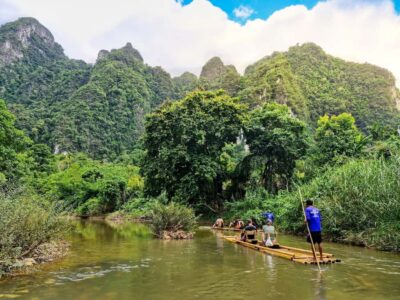
That mangrove section is more than scenic filler. When you cruise through calmer estuary-style channels, you tend to notice the ecosystem textures: shaded water edges, roots, and the slower rhythms of a place that’s not built for mass tourism. You also pass larger local fishing towns along the way, so the trip has a working-coast feel rather than a purely postcard one.
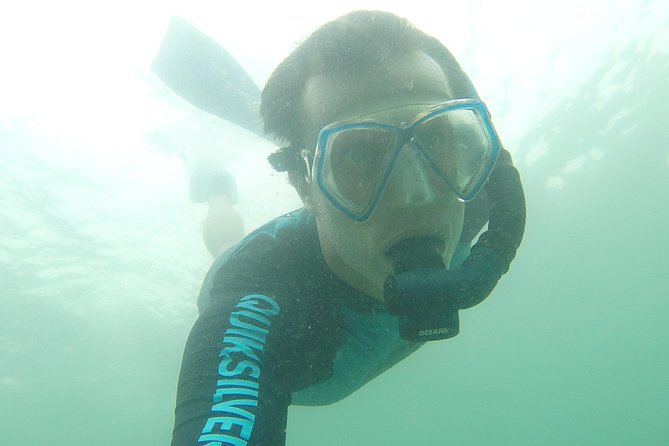
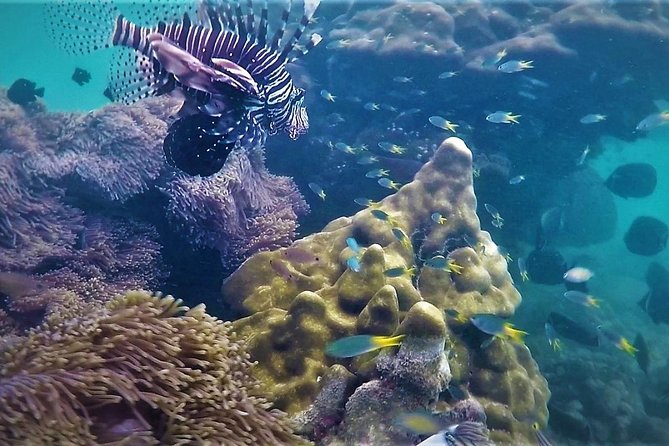
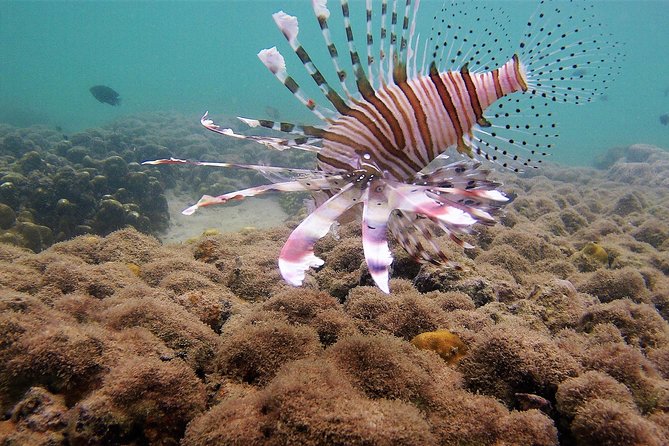
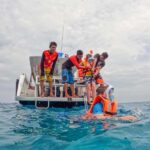
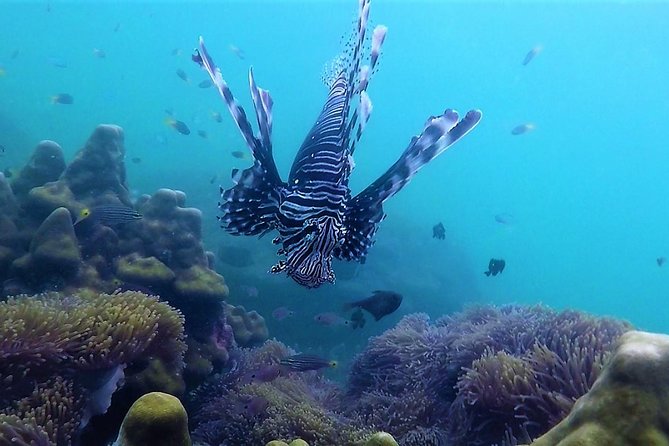
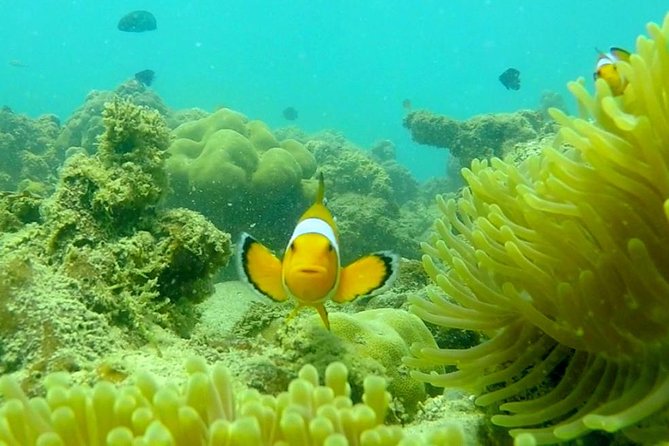
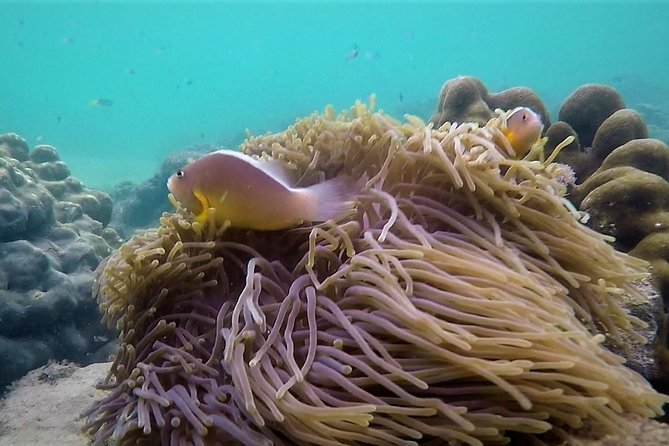
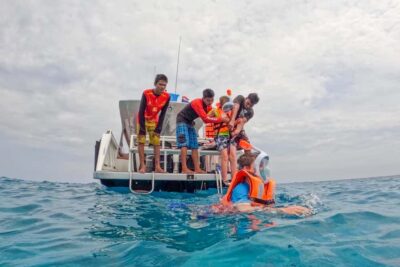
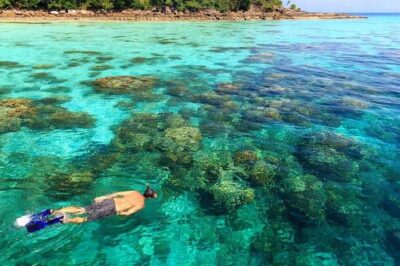
Next comes reef time. You’re taken to a local reef site where the guides help you position for snorkeling. You’ll use provided gear, and you’ll typically hop in from the boat (some participants noted it’s off via a ladder). You can expect a mix of reef fish. In the tour info and guide commentary, clownfish and moray eels are specifically mentioned, and you’ll commonly see bright fish life that makes snorkeling feel fun rather than just educational.
Then you switch gears: lunch on a beach stop, followed by downtime to chill on sand before the return cruise and transfer back to Khao Lak.
Mangroves and local fishing towns: why the cruise feels worth it
If you’ve ever done tours where the boat ride is mostly time-wasted until the one planned snorkeling stop, this feels different. You’re traveling through mangrove forests and past local fishing areas. That gives you a sense of place right away.
Mangroves can also affect how the trip feels. You often get stretches of calmer water around sheltered channels, and you’ll see a more natural coastline texture than you do from the road. Even if the reef is the main event, this part of the day helps you settle into vacation mode.
Local fishing towns passing by matter too, because they remind you this is a working coast. The day doesn’t feel like it’s been packaged into a theme park version of Thailand. It’s closer to a small-village-to-reef routine.
Reef snorkeling near Khao Lak: fish you can see, plus real-world conditions
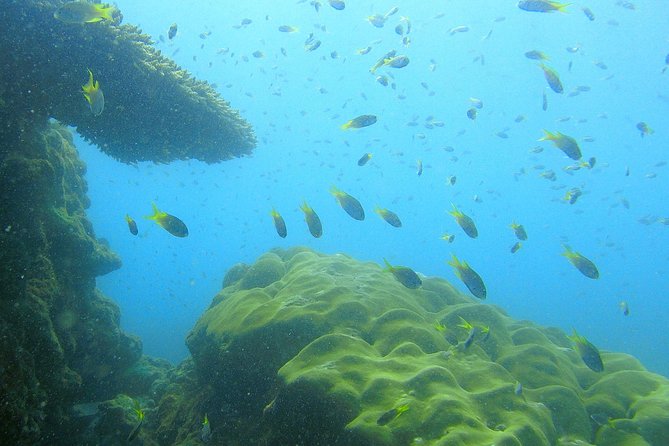
Let’s talk expectations. This is a local reef snorkel around the Khao Lak coast, so you’re not making a long journey. That’s the tradeoff and the benefit at the same time. On a good day, you get colorful reef fish close to where you’re staying. One family mentioned seeing plenty of fish, and several guides have been praised for teaching you what’s happening underwater.
You’ll likely run into the question of swim comfort. Snorkeling is usually easy to try for most people, but some participants noted choppier moments can happen and that snorkeling from the boat (often via ladder) takes a bit of balance. If you’re a confident swimmer, you’ll handle it better. If you’re not, plan to take things slow and listen carefully to the guide’s cues.
Also, be honest with yourself about seasonal water clarity. The tour info itself points out that November to April is best. Mid-May until mid-October is monsoon season, when sea conditions and snorkeling visibility can shift. That lines up with real feedback from people who went outside peak season: the scenery on the boat can still be lovely, but the water can look less clear and spotting fish can be harder.
Finally, consider that wildlife isn’t always only cute fish. Some participants described jellyfish in certain areas at the time of travel, and those can affect where you feel comfortable snorkeling. There’s no magic solution for that, since it’s natural ocean movement.
Deserted beach and lunch: the part that makes the day feel complete
If reef time is the headline, the deserted beach stop is the emotional payoff.
You get lunch at the beach, described as local style and in several cases praised as delicious or fantastic. The key is that it isn’t just a quick sandwich moment. You’re given time to relax on sand after snorkeling, which changes how the whole day feels. Instead of rushing directly into the next activity, you get to sit, recover, and let the day settle.
Participants have also used strong language about how quiet the beach can feel—movie-white sand, very few people, and a long stretch that gives that wide-open, deserted feeling. In other words, even if snorkeling is only average on your particular day, the beach stop can still rescue the experience because it’s genuinely restorative.
One practical note: the beach can include natural ocean debris depending on tide and conditions. A thoughtful sustainability-focused comment mentioned that trash washed in from the sea can be a real issue in Thailand’s coastal waters. That doesn’t mean the operator ignores it, but it’s worth knowing so you’re not shocked if you notice some rubbish in shallows or along the shore.

Guides make the difference: from current checks to hands-on storytelling
In small-group snorkeling, the guide’s role is huge. You’re not just being transported; you’re being supported.
Some guides have been highlighted for being especially hands-on and safety-minded. One guide (Garfield) was praised for checking the water for currents before people started snorkeling. That sort of check can make a visible difference in how comfortable and confident you feel once you’re in the water.
Other named guides brought a different kind of value: explaining local ecosystems and showing you what to look for underwater. Kiwi was specifically praised for talking about plants and the surrounding environment, while Ohm and Yaya were praised for being friendly, accommodating, and doing their best to find the colorful fish.
Even the captain and crew details matter here because the boat is small and the snorkeling is active. A well-run trip feels calm. A poorly run one feels chaotic.
Boat, group size, and transportation: what it means for you
This tour caps at 6 travelers, which is a big deal in practice. Fewer people usually means less time waiting, fewer snorkelers crowding the same spot, and easier guide attention—especially for anyone who needs help settling gear or managing choppy water.
Pickup is offered from Khao Lak hotels, and transportation is part of the day. One review even noted pickup in a typically Thai taxi rather than a modern big bus, which can make the route feel more local and direct. That doesn’t change your day’s outcome, but it can change the comfort level and timing feel.
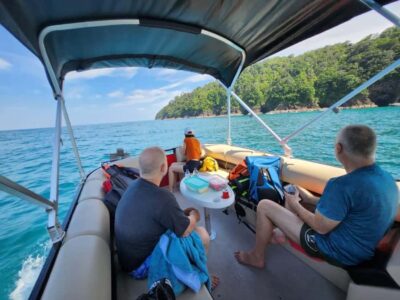
On the water, you’ll be on a longtail-style boat. That’s part of why the day feels authentic and why the mangrove cruise feels so connected to the coastline.
One more comfort reality: if the sea has a breeze, it can feel choppy. One person recommended taking a life jacket for snorkeling. You might not always need it, but it’s a smart backup if you get nervous in moving water.
Price and value: does $101.05 make sense?
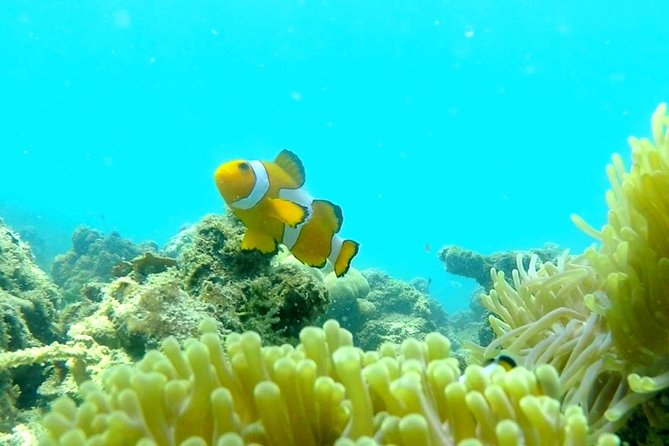
At around $101.05 per person, the price isn’t just paying for snorkeling. You’re also getting:
- hotel pickup and drop-off from Khao Lak
- lunch at the beach
- snorkel equipment
- a guided reef-and-sand day with a small group
The value is strongest when you hit good visibility and enjoy the beach stop as much as the reef. If snorkeling is limited by conditions, the lunch-and-deserted-sand portion can still keep the day worthwhile.
Also remember what you are avoiding: long travel to far-flung snorkel hotspots and the crowd squeeze. That time and hassle reduction has real value, especially if you only have a day or two in Khao Lak.
If you’re paying solo, small-group pricing can feel like a lot compared to mass tours. But when you factor in pickup, lunch, gear, and the deserted-beach payoff, it usually lands in the reasonable range for a full day out.
Weather and off-season: how to plan so the day matches your hopes
This tour clearly signals that conditions matter. The best snorkeling window is November to April. Mid-May to mid-October is monsoon season, and sea conditions can change rapidly. That affects comfort and underwater visibility.
Here’s how I’d plan based on that:
- If you’re traveling in the peak months, you’re more likely to get the clear-water reef time that makes this day shine.
- If you’re traveling during monsoon months, go with flexible expectations. You may still have an enjoyable boat and beach day, even if snorkeling isn’t as strong.
- If the sea makes snorkeling unsafe, the operator says an alternative program is offered.
There’s also the small but real chance of jellyfish in some areas depending on tide and season. You can’t control that. What you can do is keep the beach lunch and scenery portion in your mental plan so you’re not only focused on what the reef looks like at one moment.
Finally, debris can show up. This isn’t a deal-breaker, but knowing it helps you stay grounded and enjoy the parts that are still excellent: the quiet, the food, the ecosystem scenery, and the calm rhythm.
Tips to get more from your snorkeling and beach time
You’ll enjoy this tour more if you pack smart and act like the snorkeling is part of a day—not a test.
- Bring a life jacket if you’re uncertain in choppy water. It’s a common practical safeguard, and it can reduce the stress that ruins a snorkeling session.
- Choose your season. November to April is the safer bet for visibility.
- Expect ladder entry. If you’re okay stepping in and out from a boat edge, you’ll have an easier time.
- Use the guide’s current checks. If a guide adjusts where you enter or how long you stay, it’s for a reason.
- Plan to relax on the beach. If you rush, you’ll miss the best part of the day’s pacing.
Who should book this tour?
This is a strong fit if you want:
- quiet snorkeling close to Khao Lak, with less crowd pressure than the headline island tours
- a real beach break with lunch (not just a snack stop)
- a small group day where the guide can actually help you
It’s also a good choice if you want something outdoorsy but not overly time-taxing.
This is less ideal if:
- you only want top-tier snorkeling regardless of conditions, and you’re traveling in monsoon months
- you’re very sensitive to reduced visibility or occasional jellyfish, because those can happen naturally
Should you book Local Reef Snorkelling and a Deserted Beach?
Yes, I’d book it if your dates line up with November to April and you’re happy with a nearby reef experience that trades distant travel for comfort and calm. The small-group setup, the mangrove and village cruise, and the lunch-on-a-deserted-beach payoff are a great combination.
If you’re going in monsoon season, I’d still consider it, but I’d book with flexible expectations. You’ll likely still get a pleasant boat day and a beautiful sandy stop, while reef conditions may vary.
If you want a single-day snorkeling plan in Khao Lak that doesn’t feel like it’s fighting crowds, this one makes a lot of sense.
FAQ
What’s the duration of the tour?
It’s listed as a 1-day experience (about one day).
Where does the tour run?
It takes place on the Khao Lak coast, with boat time from a pier in a small fishing village.
Is hotel pickup and drop-off included?
Yes, pickup and drop-off from Khao Lak are included.
What’s included in the tour price?
The tour includes lunch, round-trip transportation, and snorkel equipment.
How many people are on the tour?
There is a maximum of 6 travelers.
What’s the best time of year for snorkeling near Khao Lak?
November to April is considered the best time. Mid-May until mid-October is monsoon season.
What happens if snorkeling isn’t possible due to weather?
If sea or weather conditions make snorkeling impossible, the operator offers an alternative program.
Do I need to be an experienced swimmer?
The tour says most travelers can participate, but some conditions can be choppy, so being comfortable in the water helps.
Is there a mobile ticket?
Yes, mobile ticket is listed as available.
Can I cancel for a full refund?
Free cancellation is available if you cancel up to 24 hours in advance for a full refund.
More Andaman Snorkeling
More Tour Reviews in Khao Lak


Just Added: The Latest Khao Lak Reviews
- Phuket: Zip Line & ATV Adventure with Hotel Transfer Option
★ 5.0 · 3 reviews - Khaolak Safari: Elephant Sanctuary and Cheow Lan Lake Bliss
★ 4.3 · 3 reviews - Khao Lak: The Amazing 3 Temples Phang Nga Tour
★ 3.3 · 3 reviews - Surin Islands 2 Days 1 Night Trip from Khao Lak
★ 4.5 · 3 reviews - Similan Islands One Day Tour From Khao Lak
★ 3.5 · 3 reviews
Snorkeling, compared.
 ★ 4.6Full-Day Snorkeling in the Surin IslandsFrom $122410 reviews
 ★ 4.3Similan Islands Snorkeling Day Trip w/MealsFrom $83136 reviews
 ★ 4.1Similan Islands Snorkeling Trip with LunchFrom $92116 reviews
 ★ 4.4Surin Islands Snorkeling Tour w/ MealsFrom $114111 reviews
 ★ 4.5Best Seller – Surin Islands Snorkeling Trip from Khao LakFrom $10696 reviews
 ★ 4.8Khao Na Yak Sightseeing & Snorkeling Small GroupFrom $6495 reviews
 ★ 4.5Wow Andaman Snorkeling Trip to Similan IslandsFrom $11779 reviews
 ★ 4.5Best Seller – Similan Islands Snorkeling Trip From Khao LakFrom $10436 reviews
Browse the lists this tour appears in